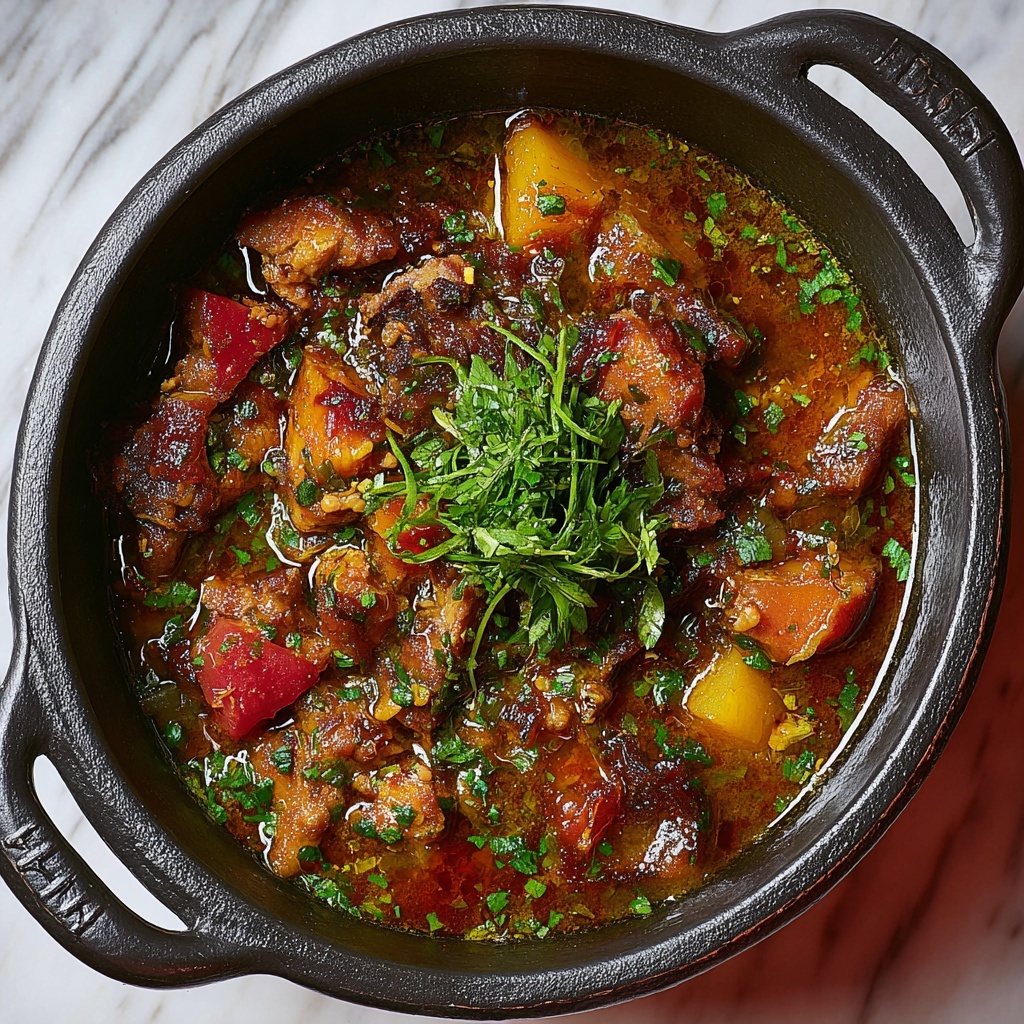
If you’re in the mood for something vibrant, nourishing, and just a touch unexpected, you will absolutely love this Persian Rhubarb and Herb Stew Recipe. This dish is a beautiful celebration of fresh herbs, tangy rhubarb, and creamy white beans simmered to perfection in fragrant turmeric-spiced broth. It’s the kind of stew that feels both comforting and refreshing at the same time, delivering zingy brightness and warming earthiness in every spoonful. Whether you’re exploring Persian cuisine for the first time or looking to add a new favorite to your repertoire, this recipe captures the heart of Persian home cooking with simple ingredients and bold flavors.
Ingredients You’ll Need
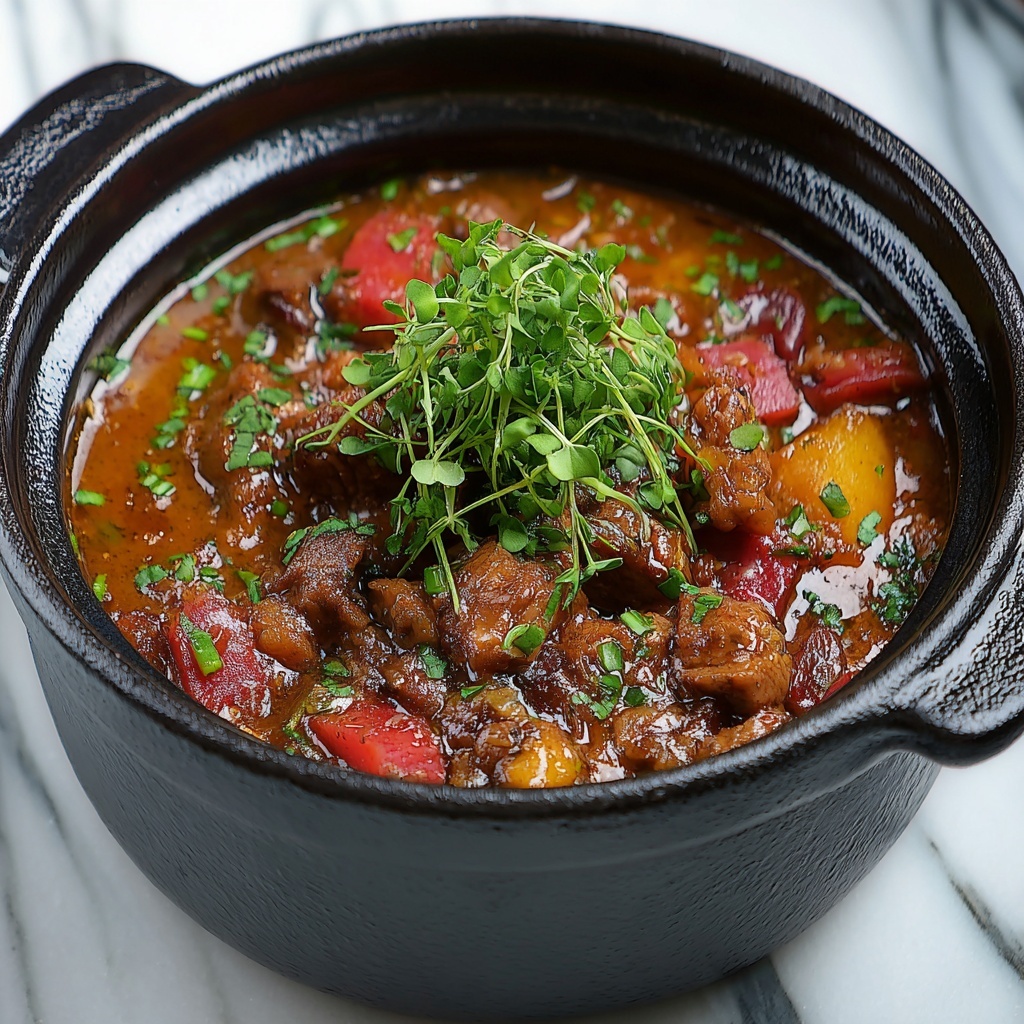
You’ll be amazed at how just a few fresh and pantry staples come together to create such a flavorful and colorful stew. Each ingredient plays a key role, from the aromatic herbs to the tangy rhubarb and hearty beans, blending into a dish with delightful texture, aroma, and taste.
- Vegetable oil: A neutral base for sautéing that allows the spices and herbs to shine without overpowering the stew.
- Onion: Adds sweetness and depth when finely chopped and gently softened.
- Turmeric: Provides warm earthiness and a beautiful golden color that brightens the dish.
- Salt and freshly ground black pepper: Essential seasonings to balance and enhance all the flavors.
- Parsley: Adds a burst of fresh, vibrant brightness and a slightly peppery note.
- Mint: Brings cool, cooling, herbal undertones that complement the tart rhubarb perfectly.
- Scallions: The white and green parts lend a gentle oniony crunch and freshness.
- Rhubarb stalks: The star ingredient, providing a uniquely tangy flavor that makes this stew stand out.
- Cooked white beans: A creamy, protein-packed addition that gives the stew heartiness and substance.
- Lemon juice: Adds a final zing of acidity to brighten the flavors even more.
- Water or vegetable broth: The cooking liquid that brings everything together and infuses the stew with gentle richness.
- Sugar (optional): A touch of sweetness to balance the tart rhubarb if needed.
How to Make Persian Rhubarb and Herb Stew Recipe
Step 1: Sauté the Aromatics
Begin by heating vegetable oil in a large pot over medium heat. Add the finely chopped onion and cook slowly until it turns soft and golden, about 5 to 7 minutes. This step builds the flavorful foundation for your stew, as caramelized onions add natural sweetness and depth.
Step 2: Add Turmeric and Seasonings
Sprinkle in the turmeric, salt, and black pepper, stirring to combine. Let the spices toast lightly for about a minute until their fragrance fills the kitchen. This brief toasting step unlocks the warmth and vibrant hue that turmeric brings to the dish.
Step 3: Wilt the Herbs
Next, toss in the chopped parsley, mint, and scallions. Stir occasionally and cook for 3 to 4 minutes, just until the herbs wilt and release their fresh, aromatic essence. This creates the stew’s signature herbal brightness and adds a gorgeous burst of green.
Step 4: Add the Rhubarb
Put in the rhubarb pieces and cook for another 2 minutes. The rhubarb’s tartness will begin to mellow slightly as it mingles with the herbs and spices, setting the stage for the stew’s lively flavor profile.
Step 5: Combine Beans, Lemon, and Liquid
Stir in the cooked white beans and pour in the lemon juice and water or vegetable broth. The beans add creaminess and body while the lemon juice amplifies the rhubarb’s zing. Bring everything to a gentle simmer, setting the stew’s rhythm.
Step 6: Simmer Until Tender
Cover the pot and let the stew cook on low heat for about 25 to 30 minutes. The rhubarb should be tender but still hold its shape, offering that perfect balance of texture and flavor that makes this Persian Rhubarb and Herb Stew Recipe so special.
Step 7: Final Seasoning Touches
Taste the stew and adjust salt and pepper as needed. If the rhubarb is particularly tart, stir in a little sugar to soften the tanginess. These final tweaks bring harmony to the whole dish just before serving.
Step 8: Serve and Enjoy
Serve your Persian Rhubarb and Herb Stew warm alongside fluffy steamed rice or fresh flatbread to soak up the delicious juices. Prepare to impress yourself with the stunning flavors this humble stew delivers.
How to Serve Persian Rhubarb and Herb Stew Recipe
Garnishes
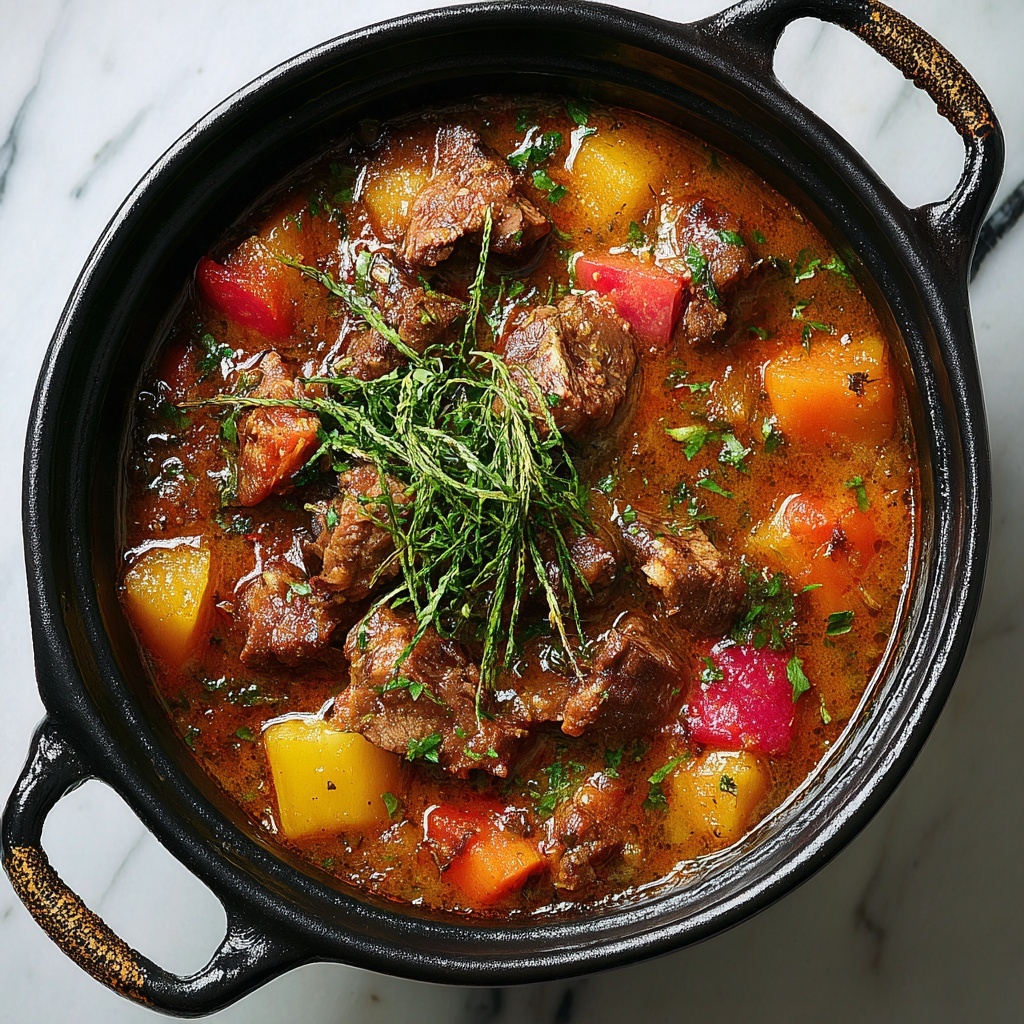
Brighten the stew with fresh herb sprigs like parsley or mint for a pretty presentation and extra aroma. A wedge of lemon on the side allows guests to add a splash of tartness if desired. You could also sprinkle toasted nuts for a fantastic contrast in texture.
Side Dishes
Steamed basmati or jasmine rice is a classic accompaniment that pairs perfectly, soaking up all the good flavors. Soft flatbreads such as lavash or naan are wonderful alternatives to scoop up the stew, making every bite a delight. Crisp salads with cucumber, tomato, or radish offer a refreshing balance.
Creative Ways to Present
For a lovely dinner party touch, serve the stew in individual clay pots or rustic bowls to echo traditional Persian style. Layer the stew over couscous or quinoa for a modern twist. You could even transform leftovers into a vibrant filling for savory crepes or stuffed vegetables.
Make Ahead and Storage
Storing Leftovers
Leftover Persian Rhubarb and Herb Stew Recipe keeps beautifully in the refrigerator for up to 3 days. Store it in an airtight container to preserve the fresh herbal fragrance and tangy flavor without losing the stew’s delightful texture.
Freezing
This stew freezes well thanks to its hearty beans and sturdy rhubarb pieces. Portion it into freezer-safe containers and freeze for up to 2 months. When frozen, it remains just as flavorful and convenient for quick meals on busy days.
Reheating
Reheat the stew gently on the stovetop or in the microwave, adding a splash of water or broth if it appears dry. Warm it slowly to keep the herbs vibrant and prevent the beans from mashing. Taste and adjust seasoning after reheating for the best experience.
FAQs
Can I use frozen rhubarb in this recipe?
Absolutely! Frozen rhubarb works fine if fresh isn’t available. Just thaw it well and drain any excess liquid before adding to avoid watering down the stew.
Is this stew suitable for vegans?
Yes, this Persian Rhubarb and Herb Stew Recipe is completely plant-based, making it perfect for vegans and those looking for a wholesome, meat-free meal.
What can I substitute for white beans?
If you don’t have cannellini or great northern beans, navy beans or butter beans are great alternatives as they also provide that creamy texture and mild flavor.
How tart should the rhubarb be in this stew?
The rhubarb should have a bright, tangy bite that enlivens the stew. If it’s too sour for your taste, adding a little sugar helps bring balance without overpowering the natural flavors.
Can I make this stew spicier?
Definitely! If you love spice, consider adding a pinch of cayenne pepper or chopped fresh chili when sautéing the onions. The heat contrasts wonderfully with the tart rhubarb and fresh herbs.
Final Thoughts
This Persian Rhubarb and Herb Stew Recipe is truly a gem that brings a fresh twist to traditional flavors. Its combination of tangy rhubarb, fragrant herbs, and creamy beans makes for a dish that’s as comforting as it is exciting. I can’t recommend it enough for anyone looking to brighten up mealtime with something wholesome, delicious, and a little unexpected. Give it a try and watch it become one of your favorite culinary discoveries!
Print
Persian Rhubarb and Herb Stew Recipe
- Prep Time: 10 minutes
- Cook Time: 35 minutes
- Total Time: 45 minutes
- Yield: 4 servings
- Category: Stew
- Method: Stovetop
- Cuisine: Persian
- Diet: Vegetarian
Description
This Persian Rhubarb and Herb Stew is a vibrant and refreshing dish featuring tender rhubarb, fresh herbs, and creamy white beans simmered in a fragrant turmeric-infused broth. Perfect for a light yet satisfying meal, this stew balances tartness with herbal aroma and a hint of lemon, making it a unique addition to your culinary repertoire.
Ingredients
Produce
- 1 medium onion, finely chopped
- 1 bunch parsley, finely chopped
- 1 bunch mint, finely chopped
- 1 bunch scallions, chopped (white and green parts)
- 2 to 3 stalks rhubarb, cut into 1-inch pieces
Pantry
- 2 tablespoons vegetable oil
- 1 teaspoon turmeric
- Salt and freshly ground black pepper, to taste
- 1 cup cooked white beans (such as cannellini or great northern beans)
- 1 tablespoon lemon juice or to taste
- 2 cups water or vegetable broth
- Optional: 1/2 teaspoon sugar (if rhubarb is too tart)
Instructions
- Prepare the base: Heat the vegetable oil in a large pot over medium heat. Add the finely chopped onion and cook until soft and golden, about 5-7 minutes, releasing a sweet aroma.
- Add spices: Stir in the turmeric, salt, and freshly ground black pepper. Cook for 1 minute until the spices become aromatic, infusing the oil and onions.
- Add fresh herbs: Incorporate the chopped parsley, mint, and scallions into the pot. Stir occasionally and cook for 3-4 minutes until the herbs wilt and release their fragrant flavors into the stew.
- Incorporate rhubarb: Add the rhubarb pieces and cook for another 2 minutes, allowing the tartness to soften slightly without losing texture.
- Combine beans and liquids: Stir in the cooked white beans, lemon juice, and water or vegetable broth. Bring the mixture to a gentle simmer to blend all flavors together.
- Simmer the stew: Cover the pot and cook on low heat for 25-30 minutes, until the rhubarb is tender yet still holds some shape, mellowing its tartness.
- Adjust seasoning: Taste the stew and season to your preference. If the rhubarb is too tart, add up to 1/2 teaspoon of sugar to balance the flavor.
- Serve: Ladle the warm stew into bowls and serve alongside steamed rice or flatbread for a complete and delicious meal.
Notes
- If rhubarb is excessively tart, gently balance the flavor with a small amount of sugar.
- This stew pairs wonderfully with plain steamed rice or warm flatbread like lavash or pita.
- For a heartier variation, you can add other cooked legumes or a dollop of yogurt when serving.
- Fresh herbs are key to the authentic flavor profile, so avoid drying or substituting with dried herbs if possible.