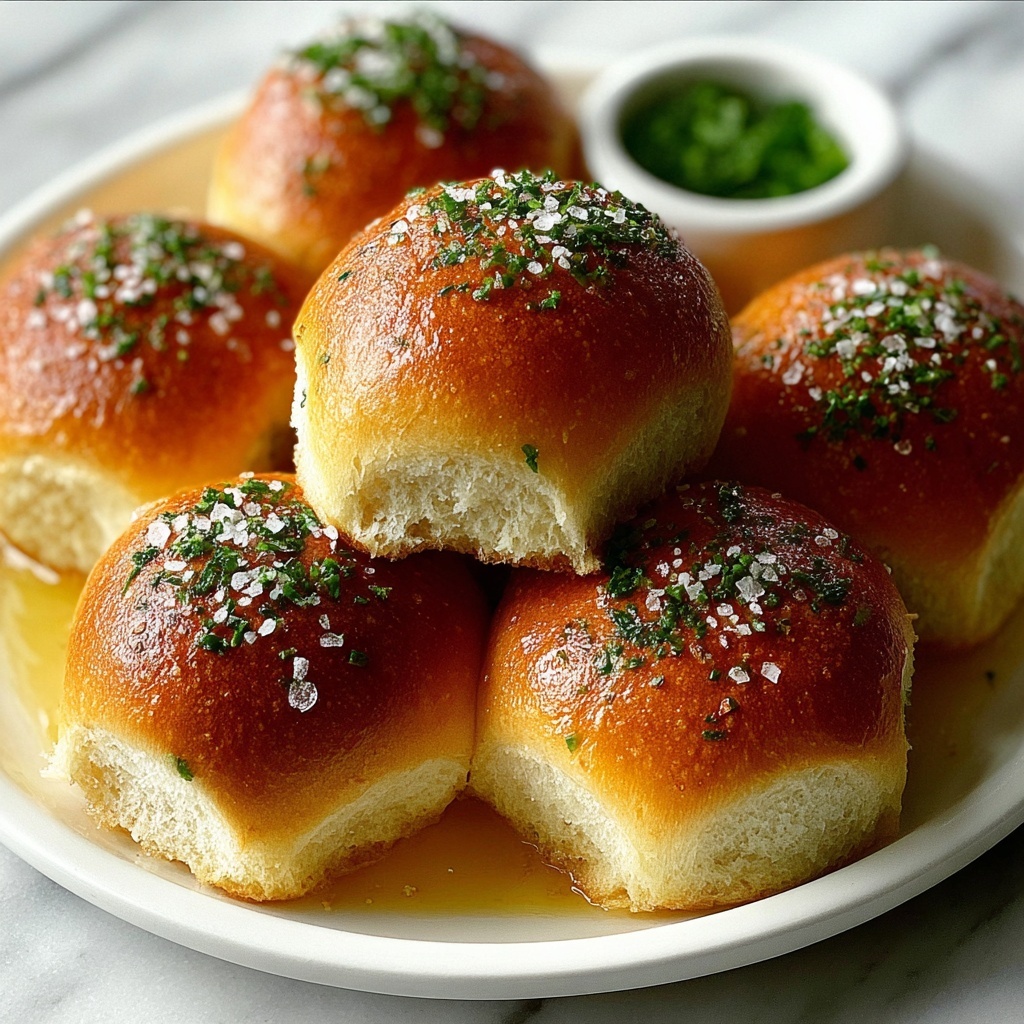
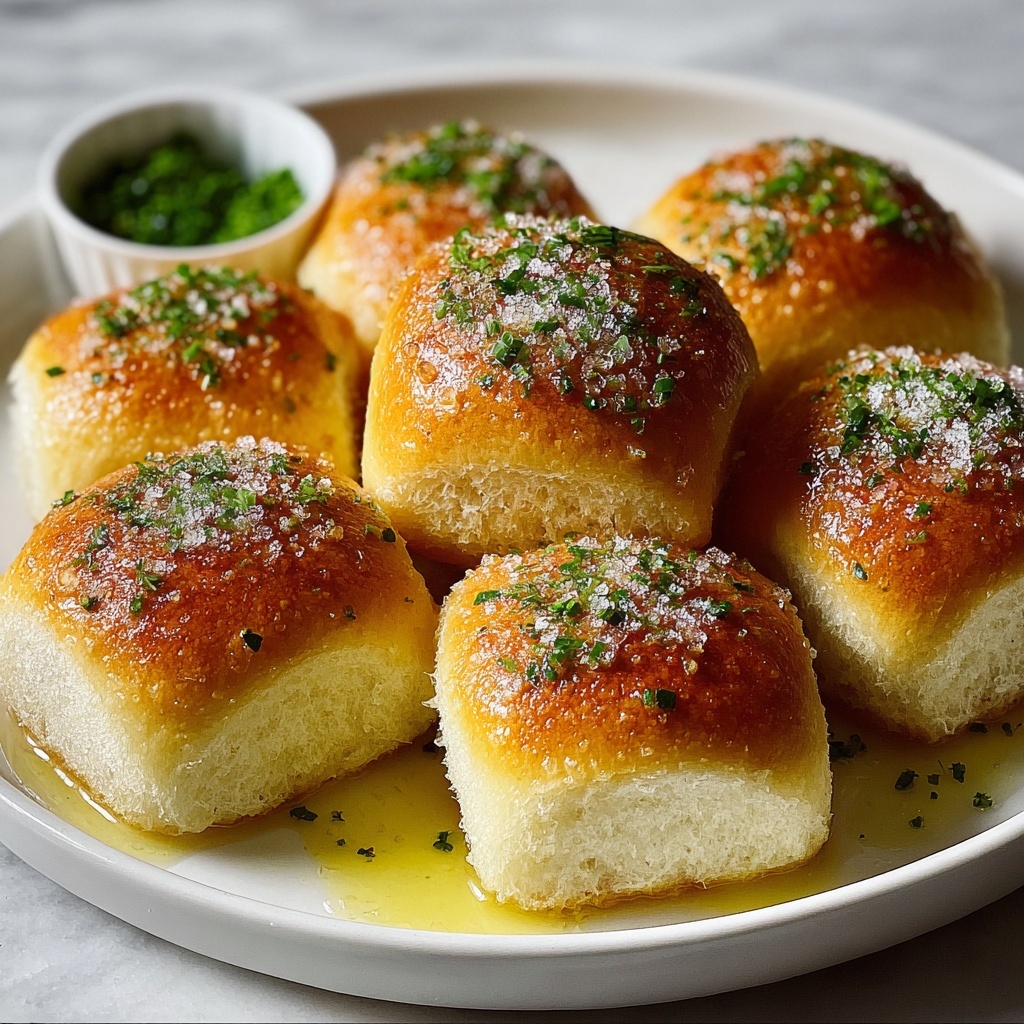
If you are searching for a truly irresistible side to complement any meal, this Garlic Butter Bread Rolls Recipe is your new best friend. Soft, fluffy bread rolls infused with rich garlic butter bring a warm, comforting aroma and an explosion of flavor with every bite. These rolls are delightfully simple to make yet wonderfully impressive, perfect for family dinners, holiday gatherings, or an everyday treat that feels like a special occasion. Once you try this recipe, you’ll understand why garlic butter bread rolls become a beloved staple for so many home cooks.
Ingredients You’ll Need
Gathering the right ingredients is the secret to nailing the perfect texture and flavor in these bread rolls. Each ingredient plays a crucial role: the yeast brings life to the dough, butter lends richness, and garlic introduces that unmistakable savory punch that keeps you coming back for more.
- 4 cups all-purpose flour: The foundation of the dough, offering structure and a soft crumb when baked.
- 2 1/4 teaspoons active dry yeast: Essential for helping the dough rise and become airy.
- 1 tablespoon sugar: Feeds the yeast and adds a subtle sweetness balancing the garlic flavor.
- 1 teaspoon salt: Enhances overall taste without overpowering the rolls.
- 1/4 cup unsalted butter, melted: Adds tenderness and richness to the dough.
- 1 cup warm milk (about 110°F): Activates the yeast and ensures a smooth dough consistency.
- 1/4 cup water at room temperature: Provides additional moisture to achieve the perfect dough texture.
- 1 egg: Helps bind ingredients and creates a beautiful golden crust.
- 1/2 cup unsalted butter, melted (for garlic butter): The base for the luscious garlic butter glaze.
- 4 cloves garlic, minced: Brings fresh, aromatic pungency to the rolls.
- 1 tablespoon fresh parsley, chopped: Adds a bright, herbaceous note and lovely color.
- 1/2 teaspoon salt (for garlic butter): Balances the garlic butter perfectly.
How to Make Garlic Butter Bread Rolls Recipe
Step 1: Wake Up the Yeast
Start by dissolving the sugar in warm milk and sprinkling the yeast on top. Let it rest until it becomes frothy—this indicates the yeast is active and ready to work its magic.
Step 2: Mix the Wet Ingredients
Add the melted butter, salt, and egg into the yeast mixture. Whisk everything together until the blend is smooth and inviting.
Step 3: Form the Dough
Gradually incorporate the flour one cup at a time, stirring with a wooden spoon until a loose dough begins to form. This slow addition helps achieve perfect consistency without making the dough too stiff.
Step 4: Knead for Softness
Transfer your dough onto a floured surface and knead it for about 8-10 minutes. This step is key for developing gluten, ensuring your rolls turn out soft and elastic.
Step 5: First Rise
Place the dough in a greased bowl, cover it with a damp cloth, and set it aside in a warm spot. Let it double in size, which usually takes about an hour. Patience here results in wonderfully fluffy bread.
Step 6: Prepare the Garlic Butter
While your dough is rising, combine melted butter, minced garlic, chopped parsley, and salt in a small bowl. This fragrant mixture will transform your rolls from simple bread into a flavor sensation.
Step 7: Shape the Rolls
Once risen, punch down the dough gently and knead it lightly on a floured surface. Divide it into 16 equal pieces and roll each into a smooth ball, preparing them for their final rise.
Step 8: Second Rise
Arrange the rolls close together on a parchment-lined baking sheet, cover them again, and let them rise for another 30 minutes to become perfectly puffy.
Step 9: Preheat and Brush
Heat your oven to 375°F (190°C). Generously brush the rolls with half of your garlic butter mixture, infusing them with mouthwatering flavor before baking.
Step 10: Bake to Perfection
Bake the rolls for 15-20 minutes or until they are beautifully golden brown. This final step seals in all that garlic butter goodness.
Step 11: Final Garlic Butter Glaze
Once out of the oven, immediately brush the rolls with the remaining garlic butter. This extra layer adds a silky shine and deep flavor.
Step 12: Cool and Enjoy
Allow the bread rolls to cool slightly before serving. This pause helps set the texture and lets the flavors settle for the perfect bite every time.
How to Serve Garlic Butter Bread Rolls Recipe
Garnishes
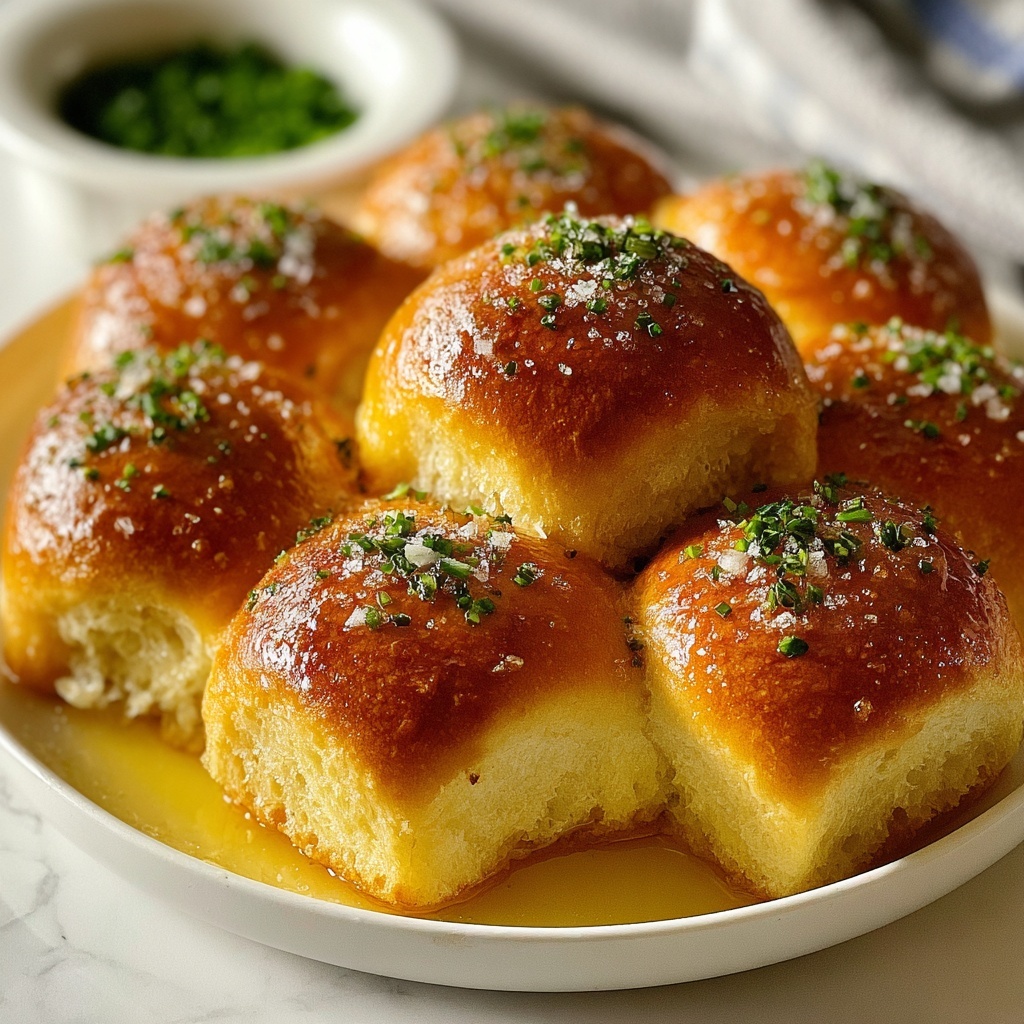
Sprinkle a little extra fresh parsley or finely grated Parmesan cheese over the warm rolls for an elegant touch that adds freshness and a hint of nuttiness.
Side Dishes
These garlic butter bread rolls pair beautifully with soups like tomato basil or creamy mushroom, and are fantastic alongside pasta dishes, roasted chicken, or fresh salads. They soak up sauces and make every meal feel more indulgent.
Creative Ways to Present
Arrange these rolls in a braided basket or stack them high on a rustic wooden board for a charming presentation. You can also serve them warm with small bowls of extra garlic butter or herb-infused olive oil for dipping—perfect for cozy gatherings.
Make Ahead and Storage
Storing Leftovers
Keep any uneaten garlic butter bread rolls in an airtight container at room temperature for up to two days. This helps maintain their softness without drying out.
Freezing
To freeze, wrap the rolls tightly in plastic wrap then foil, or place them in a freezer-safe bag. They’ll keep well for up to a month and thaw quickly when needed.
Reheating
Reheat rolls wrapped in foil at 350°F (175°C) for about 10 minutes or until warmed through. You can also microwave them briefly, but oven reheating preserves the crispy exterior best.
FAQs
Can I use whole wheat flour instead of all-purpose flour?
Yes, whole wheat flour can be used, but keep in mind the rolls might end up denser and less fluffy. Mixing whole wheat with all-purpose flour can give a good balance.
How important is the temperature of the milk?
Using warm milk around 110°F is crucial because it activates the yeast without killing it. Too hot or too cold liquid may prevent proper rising.
Can I prepare the dough the night before?
Absolutely! You can make the dough, cover it tightly, and refrigerate overnight. Let it come back to room temperature and rise before continuing with the recipe.
What if I don’t have fresh parsley?
Dried parsley can be substituted, but use it sparingly as it’s more concentrated and less vibrant in flavor compared to fresh.
Is it possible to make this recipe vegan?
Yes, you can replace butter with plant-based margarine and use a flaxseed or chia seed “egg” instead of a chicken egg, though the texture may vary slightly.
Final Thoughts
There’s just something so comforting about homemade garlic butter bread rolls, and this Garlic Butter Bread Rolls Recipe makes the process joyful and straightforward. Whether you’re serving them for a special occasion or simply craving a warm, garlicky treat, these rolls will steal the show. Take a moment to try making them—you’ll soon discover they’re not just bread rolls, but little bundles of happiness shared with loved ones.
Print
Garlic Butter Bread Rolls Recipe
- Prep Time: 20 minutes
- Cook Time: 20 minutes
- Total Time: 1 hour 50 minutes
- Yield: 16 rolls
- Category: Bread
- Method: Baking
- Cuisine: American
Description
Fluffy and aromatic garlic butter bread rolls, perfect as a side for any meal or enjoyed on their own. These homemade rolls are enriched with a flavorful garlic butter glaze, offering a soft texture with a crisp, golden crust.
Ingredients
Dough
- 4 cups all-purpose flour
- 2 1/4 teaspoons active dry yeast
- 1 tablespoon sugar
- 1 teaspoon salt
- 1/4 cup unsalted butter, melted
- 1 cup warm milk (about 110°F)
- 1/4 cup water at room temperature
- 1 egg
Garlic Butter
- 1/2 cup unsalted butter, melted
- 4 cloves garlic, minced
- 1 tablespoon fresh parsley, chopped
- 1/2 teaspoon salt
Instructions
- Activate Yeast: In a large mixing bowl, dissolve the sugar in warm milk, then sprinkle the active dry yeast over the milk. Allow it to rest for 5-10 minutes until frothy, signaling the yeast is active and ready.
- Mix Wet Ingredients: Add melted butter, salt, and the egg to the yeast mixture and whisk until fully combined to prepare the wet base for the dough.
- Add Flour: Gradually add the flour one cup at a time, stirring with a wooden spoon until a dough starts to form and becomes too thick to stir.
- Knead Dough: Transfer the dough onto a lightly floured surface and knead for 8-10 minutes until smooth and elastic, which helps develop gluten for a soft texture.
- First Rise: Place the dough in a lightly greased bowl, cover with a damp cloth, and let it rise in a warm environment until it doubles in size, approximately 1 hour.
- Prepare Garlic Butter: While the dough rises, mix melted butter, minced garlic, chopped parsley, and salt in a small bowl to create the flavorful garlic butter glaze.
- Shape Rolls: Once the dough has risen, punch it down gently, knead lightly, and divide it into 16 equal pieces. Shape each piece into a small round roll.
- Arrange Rolls: Place the rolls closely together on a parchment-lined baking sheet to encourage soft sides between rolls.
- Second Rise: Cover the rolls with a damp cloth and let them rise again in a warm place for 30 minutes until doubled in size.
- Preheat Oven: Set your oven to 375°F (190°C) to ensure proper baking temperature.
- Brush Garlic Butter: Generously brush the tops of the risen rolls with half of the garlic butter mixture to infuse flavor and help browning.
- Bake Rolls: Bake the rolls for 15-20 minutes until they are golden brown on top, indicating they are cooked through and ready.
- Final Brush: Immediately upon removing from the oven, brush the rolls with the remaining garlic butter for extra moisture and flavor.
- Cool and Serve: Allow the rolls to cool slightly to set, then serve warm for best taste and texture.
Notes
- You can substitute all-purpose flour with bread flour for a chewier texture if desired.
- Ensure milk is warm, not hot, to avoid killing the yeast.
- Keep the dough covered during rising to maintain moisture and help it rise properly.
- The garlic butter can be prepared ahead of time and stored in the refrigerator; warm before using.
- Serve rolls warm for the best flavor and softness.