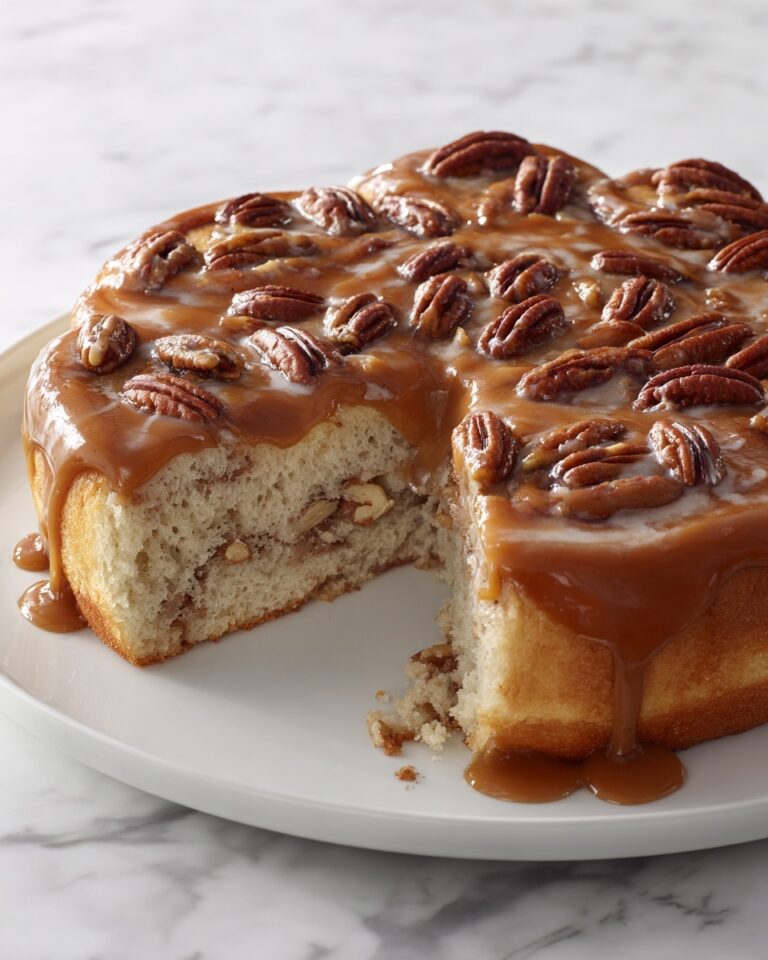
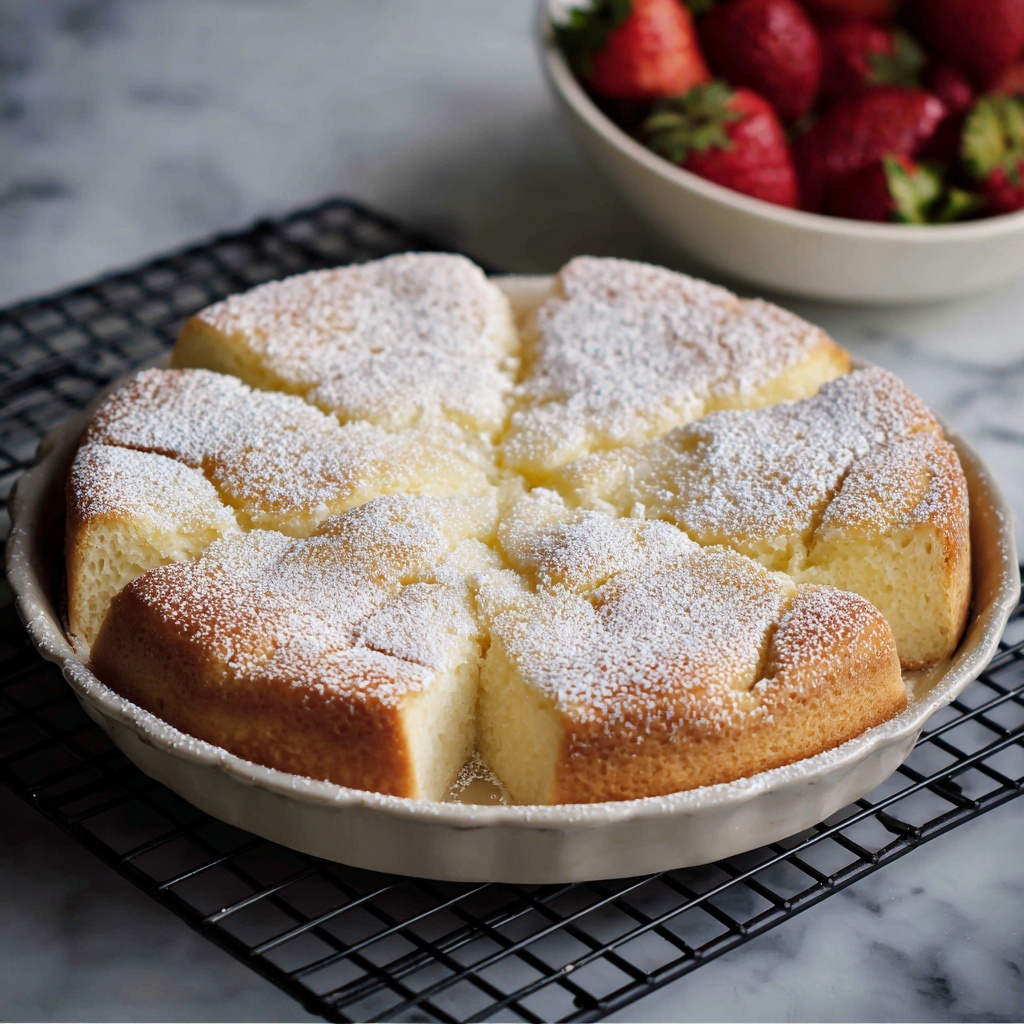
If you have a soft spot for tender, buttery cakes that melt in your mouth, then you are absolutely going to adore this French Butter Cake Recipe. It’s a timeless classic that brings together the richness of butter with a light, delicate crumb, making it the perfect cake for any occasion. Whether it’s a cozy afternoon tea or a celebratory dessert, this cake’s simplicity and extraordinary flavor will have you coming back for seconds and sharing it with everyone you know.
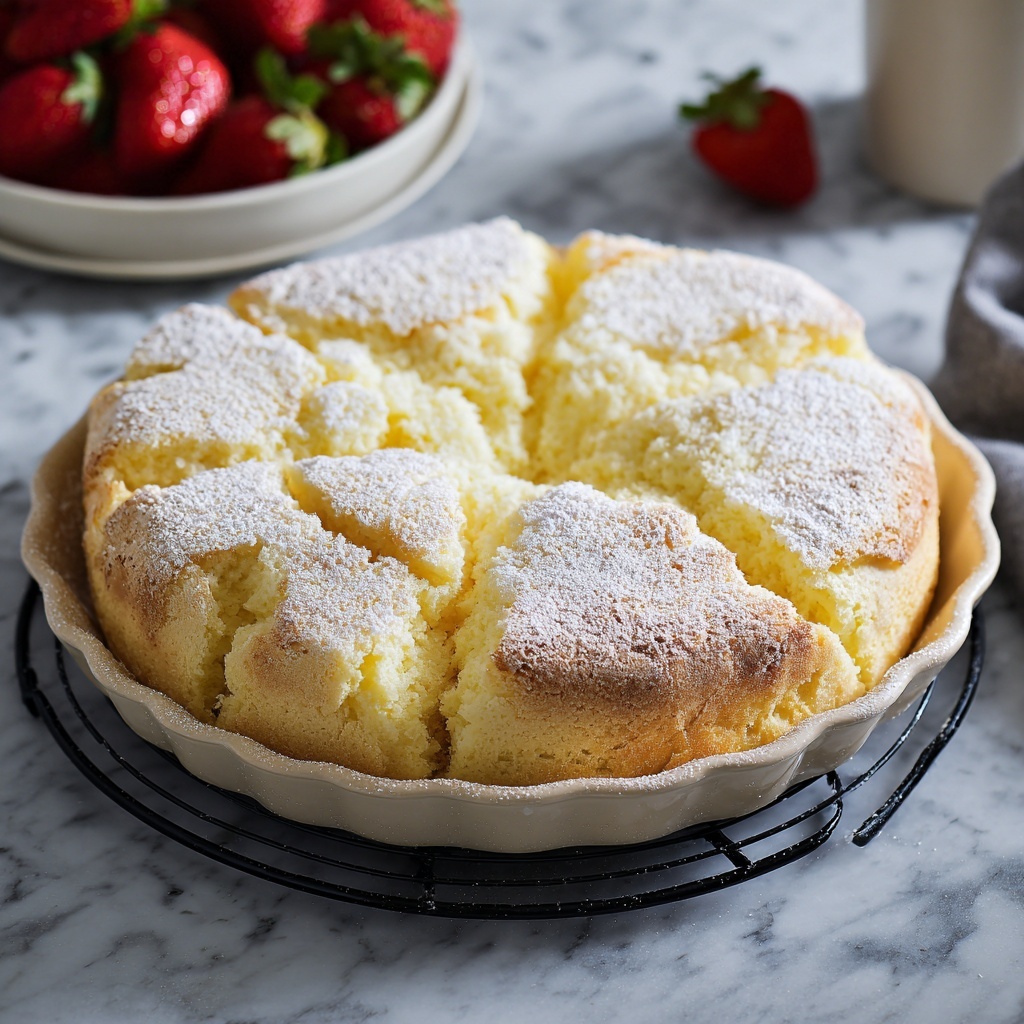
Ingredients You’ll Need
Gathering these simple yet essential ingredients is the first step to baking perfection. Each one plays a crucial role in delivering the signature moist and tender texture that makes the French Butter Cake Recipe so irresistible.
- Granulated sugar: Sweetens the cake perfectly and helps create a lovely crust on top.
- Unsalted butter: The star ingredient that adds richness and a delicate buttery flavor, melted to blend seamlessly with other ingredients.
- Eggs: Provide structure and moisture; using room temperature eggs helps them incorporate better.
- Vanilla extract: Adds depth and warmth to the flavor profile, elevating the overall taste.
- Cake flour: Ensures a tender crumb thanks to its lower protein content compared to all-purpose flour.
- Baking powder: Gives the cake a gentle lift, making it light and airy.
- Salt: Balances the sweetness and enhances other flavors without overpowering them.
- Sour cream: Adds moisture and a slight tang, resulting in a beautifully soft and tender crumb.
- Granulated sugar (for topping): Creates a subtle crispy sweetness on the surface after baking.
How to Make French Butter Cake Recipe
Step 1: Prepare Your Workspace and Oven
Start by preheating your oven to 350°F (175°C). Getting the temperature right from the get-go ensures your cake bakes evenly. Grease a 9×9-inch baking dish generously—this is important because it prevents sticking while helping you achieve those perfect edges.
Step 2: Cream the Butter and Sugar
In a large bowl, whisk together the granulated sugar and melted butter for about one minute until the mixture is light and airy. This step creates the cake’s irresistible buttery base with a hint of sweetness and helps build that tender crumb.
Step 3: Incorporate the Eggs and Vanilla
Add the eggs one at a time, mixing well after each addition. This ensures each egg is fully blended, giving the batter a smooth texture. Next, stir in the vanilla extract, which rounds out the flavors with a subtle sweet warmth.
Step 4: Combine Dry Ingredients
In a separate bowl, sift together the cake flour, baking powder, and salt to distribute the leavening and salt evenly. Gradually add this dry mix to the wet ingredients, stirring gently until just combined. Overmixing here can lead to a denser cake, so be gentle!
Step 5: Fold in the Sour Cream
Carefully fold in the sour cream to add moisture and a touch of tanginess. This step transforms your cake batter into something wonderfully rich, guaranteeing a melt-in-your-mouth texture once baked.
Step 6: Prepare for Baking
Pour the batter into your greased baking dish, smoothing it out evenly. Sprinkle the top with the remaining 2 tablespoons of granulated sugar. This sugar topping caramelizes beautifully in the oven, giving your cake a luscious, slightly crisp crust.
Step 7: Bake to Perfection
Bake for 30 to 35 minutes, or until a toothpick inserted into the center comes out clean. Keep an eye on it toward the end of baking to avoid overdoing it. The goal is a wonderfully golden top with a perfectly soft interior.
Step 8: Let It Cool and Enjoy
Once baked, allow the cake to cool slightly before slicing. This resting period helps the cake set, making it easier to cut and enhancing the texture and flavors that make the French Butter Cake Recipe such a treat.
How to Serve French Butter Cake Recipe
Garnishes
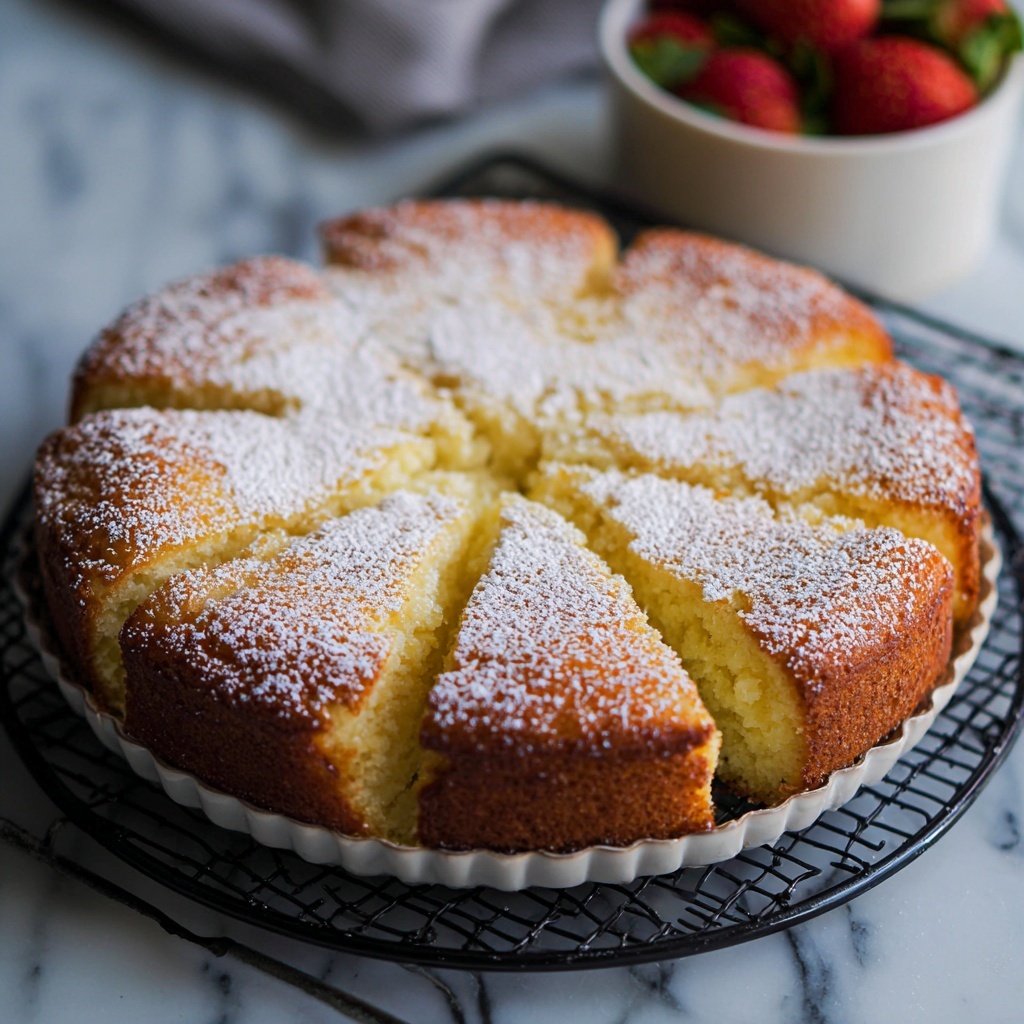
While the cake is delicious on its own, adding a light dusting of powdered sugar or a few fresh berries can brighten the presentation and add extra flavor. A dollop of whipped cream or a drizzle of honey also works wonders to elevate each bite.
Side Dishes
Pair this cake with a cup of rich coffee, a fragrant tea, or even a glass of dessert wine. Its buttery texture and subtle sweetness complement both hot and cold beverages gracefully, making it a versatile treat for any time of day.
Creative Ways to Present
Try serving slices with fresh fruit compote or a scoop of vanilla ice cream for an irresistible dessert spread. You can also cut the cake into small squares and dust them with cinnamon sugar for tea parties or casual gatherings—everyone will ask for the recipe!
Make Ahead and Storage
Storing Leftovers
Wrap leftover cake tightly in plastic wrap or store it in an airtight container at room temperature. It stays moist and flavorful for up to 2 days, so you can enjoy the French Butter Cake Recipe a little later without any loss in quality.
Freezing
This cake freezes beautifully. Wrap individual slices or the entire cake tightly in plastic wrap, then place it in a freezer-safe bag or container. It can be stored for up to 3 months—just thaw overnight in the fridge when ready to enjoy.
Reheating
Warm slices gently in the microwave for 10 to 15 seconds or in a low oven (around 300°F) for 5 to 7 minutes. This freshens the texture and revives that just-baked buttery flavor, making it taste like it’s straight from your kitchen.
FAQs
Can I use all-purpose flour instead of cake flour?
Yes, you can substitute all-purpose flour, but your cake might be a bit denser. Cake flour has a lower protein content, giving the cake its tender crumb. To mimic cake flour, you can remove 2 tablespoons of flour per cup and replace with cornstarch.
Why is sour cream important in this recipe?
Sour cream adds moisture and a slight tang that balances the sweetness. It also helps keep the cake tender and moist, so it doesn’t dry out quickly after baking.
Can I make this cake dairy-free?
While the buttery richness is key to this recipe, you can try substituting the butter with vegan margarine and use a non-dairy sour cream alternative. Keep in mind the texture might vary slightly.
How do I know when the cake is done baking?
The best way is to insert a toothpick in the center of the cake. If it comes out clean or with a few moist crumbs, your cake is perfectly baked. If there’s wet batter, it needs more time.
Is this cake suitable for special occasions?
Absolutely! The French Butter Cake Recipe is elegant yet simple, making it perfect for birthdays, afternoon teas, or even as a delightful homemade gift. It’s versatile and always impresses.
Final Thoughts
This French Butter Cake Recipe is one of those truly special recipes that feels like a warm hug on a plate. It’s charmingly simple but packed with flavor and texture that will captivate anyone lucky enough to try it. Give this recipe a go—you might just find it becoming your go-to cake for celebrations and everyday moments alike.
Print
French Butter Cake Recipe
- Prep Time: 10 minutes
- Cook Time: 35 minutes
- Total Time: 45 minutes
- Yield: 12 servings
- Category: Dessert
- Method: Baking
- Cuisine: French
Description
This classic French Butter Cake recipe yields a rich and moist dessert with a tender crumb and a delicate buttery flavor. Perfect for any occasion, this cake features a light and airy texture thanks to the combination of melted butter, sour cream, and cake flour, topped with a sprinkle of sugar for a subtle crunch.
Ingredients
Dry Ingredients
- 2 cups cake flour
- 2 teaspoons baking powder
- 1 teaspoon salt
- 2 tablespoons granulated sugar (for topping)
Wet Ingredients
- 1 cup granulated sugar
- 1 cup unsalted butter (2 sticks), melted
- 3 eggs, room temperature
- 2 ½ teaspoons vanilla extract
- ⅔ cup sour cream
Instructions
- Preheat and Prepare: Preheat your oven to 350°F (175°C) and grease a 9×9-inch baking dish thoroughly to ensure the cake doesn’t stick.
- Cream Butter and Sugar: In a large mixing bowl, combine the granulated sugar and melted butter. Mix for about 1 minute using a hand mixer or whisk until the mixture becomes light and airy, indicating aeration that will help the cake’s texture.
- Add Eggs and Vanilla: Incorporate the eggs one at a time, mixing well after each addition to fully emulsify them into the batter. Then, add the vanilla extract and mix until combined.
- Combine Dry Ingredients: In a separate bowl, sift together the cake flour, baking powder, and salt. Gradually add this dry mixture to the wet ingredients, mixing gently until just combined to avoid overmixing which could toughen the cake.
- Fold in Sour Cream: Gently fold the sour cream into the batter with a spatula until evenly incorporated, adding moisture and a slight tang that enhances the cake’s flavor.
- Prepare to Bake: Pour the batter into the prepared baking dish and evenly sprinkle the top with 2 tablespoons of granulated sugar. This topping will create a subtle, sweet crust when baked.
- Bake: Place the baking dish in the preheated oven and bake for 30 to 35 minutes. Check doneness by inserting a toothpick into the center; it should come out clean when the cake is fully baked.
- Cool and Serve: Allow the cake to cool slightly in the baking dish before slicing. Serve warm or at room temperature to enjoy the full buttery flavor and tender texture.
Notes
- Use room temperature eggs for better mixing and a fluffier cake texture.
- Do not overmix the batter after adding dry ingredients to keep the cake tender.
- You can substitute sour cream with full-fat Greek yogurt if desired.
- For added flavor, consider adding a teaspoon of almond extract or an extra ½ teaspoon of vanilla extract.
- Store any leftovers in an airtight container at room temperature for up to 3 days or refrigerate for up to 5 days.