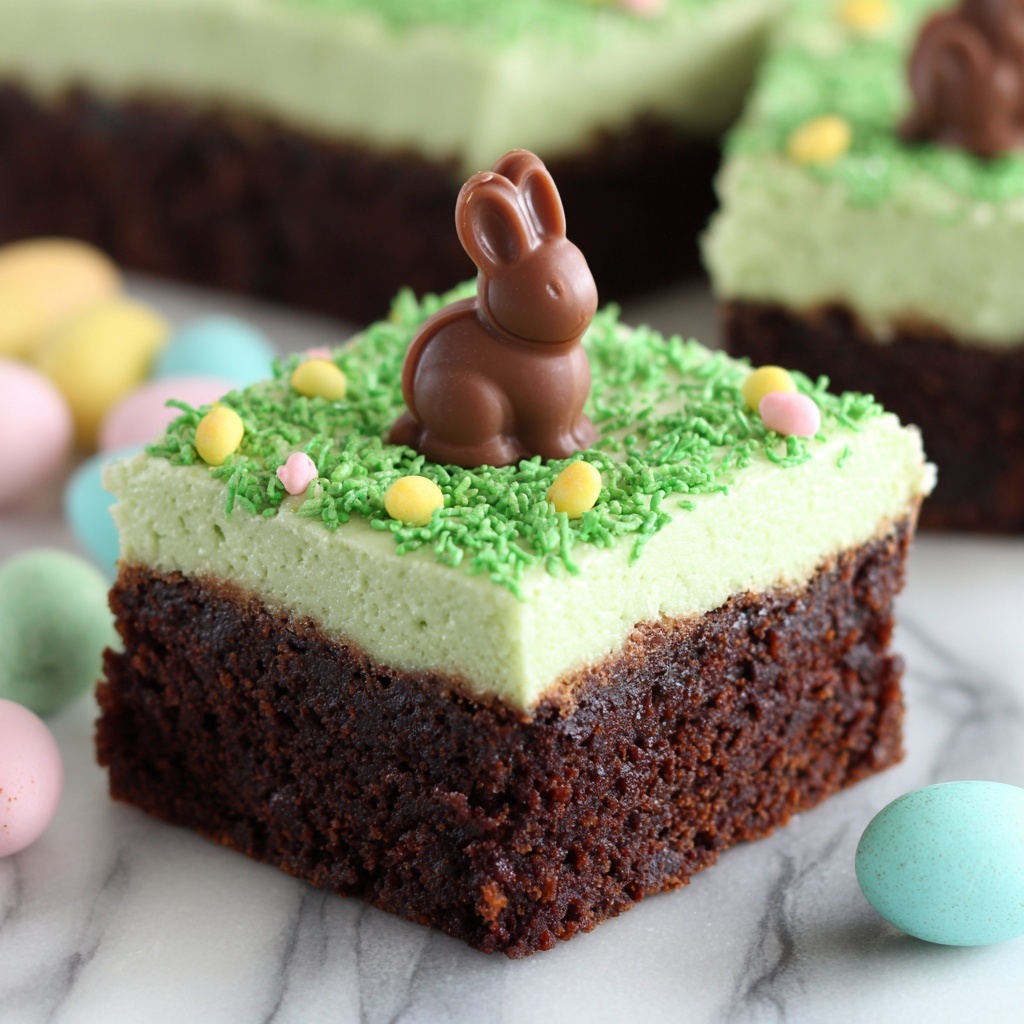
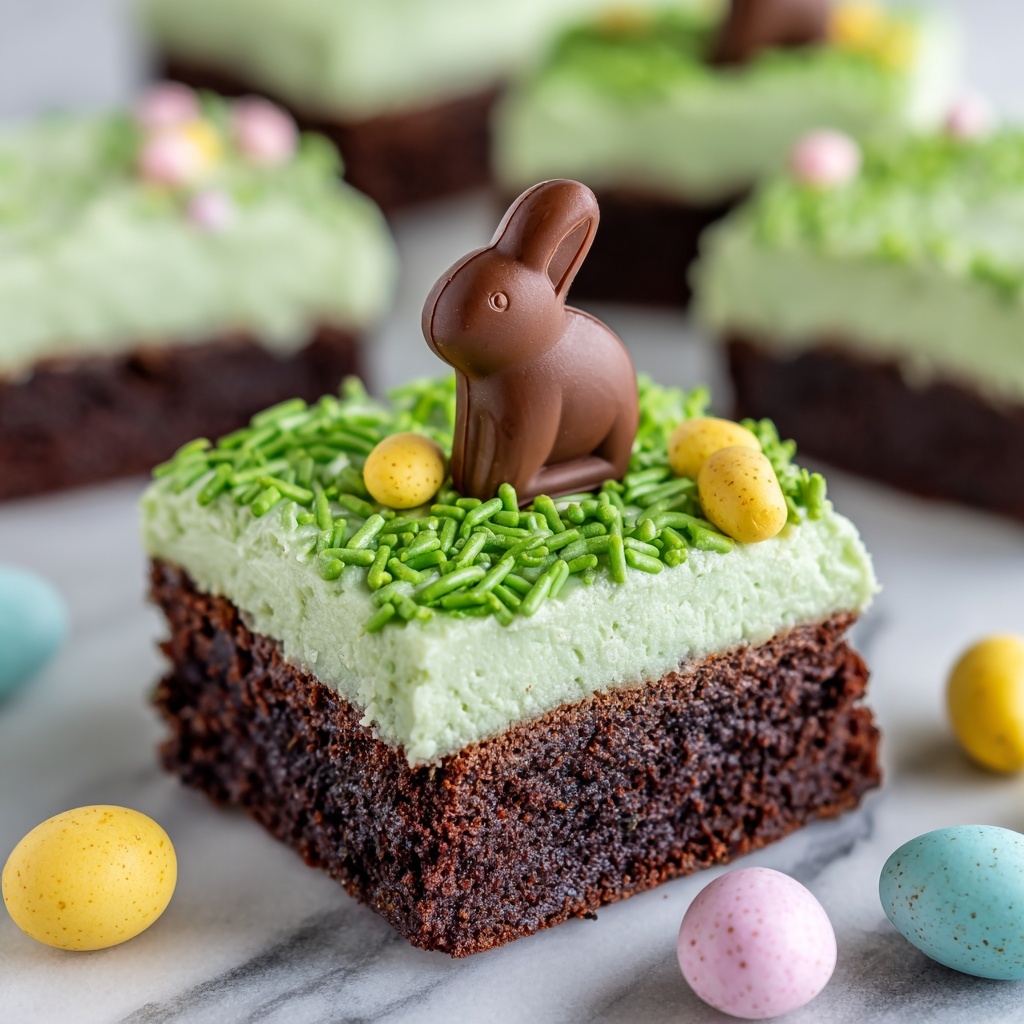
There is something truly magical about a classic Buttercream Frosting Recipe that can transform any simple cake or cupcake into a decadent treat that looks as wonderful as it tastes. This buttery, sweet, and creamy frosting is a baker’s best friend, bringing a silky-smooth texture and a luscious flavor that complements countless desserts. Once you master this Buttercream Frosting Recipe, you’ll find yourself reaching for it time and again to elevate your homemade creations with beautiful swirls and irresistibly rich flavor.
Ingredients You’ll Need
The brilliance of this Buttercream Frosting Recipe is in its simplicity. Each ingredient plays a vital role in creating that perfect balance of texture, sweetness, and flavor — from the creamy butter to the fluffy powdered sugar and a touch of vanilla to round it all out. Here’s what you’ll need to get started:
- 1/2 cup butter, softened: Using softened butter ensures a smooth and creamy frosting without lumps.
- 2 cups powdered sugar: Provides the sweetness and fluffy texture that’s signature to buttercream.
- 1 tsp vanilla extract: Adds warmth and depth to the overall flavor profile.
- 1/2 tbsp milk: Controls the frosting’s consistency, making it just the right balance of thick and spreadable.
- Food coloring: Lets you customize your frosting’s color to perfectly match your dessert or celebration theme.
How to Make Buttercream Frosting Recipe
Step 1: Cream Butter and Sugar
Begin by creaming together the softened butter and 1 cup of powdered sugar in a large mixing bowl. This is a key step that sets the foundation for a smooth and airy frosting. Beat the mixture until it’s well combined and creamy, eliminating any lumps of butter or sugar for that seamless texture.
Step 2: Add Flavor and Liquid
Next, stir in the vanilla extract and milk. This combination not only enhances the buttercream with a gentle vanilla aroma but also helps to soften the mixture. Then, gradually add the remaining powdered sugar while mixing on low speed, ensuring everything comes together without a powdery mess. This gradual approach is what gives the frosting its beautifully thick yet spreadable quality.
Step 3: Adjust Consistency
Now comes the fun part — adjusting the texture to perfectly suit your needs. If you prefer a thinner frosting for piping or drizzling, add a little more milk, a teaspoon at a time. If you want it thicker for sculpting or layered cakes, keep adding powdered sugar in small increments until it reaches your desired firmness. Tweak it slowly and taste as you go for the ultimate control.
Step 4: Add Color
Finally, personalize your frosting by adding drops of food coloring, one at a time. Mix thoroughly between additions to achieve your ideal shade. Whether you want soft pastels or vibrant hues, this step lets your creative side shine while making your dessert truly eye-catching.
How to Serve Buttercream Frosting Recipe
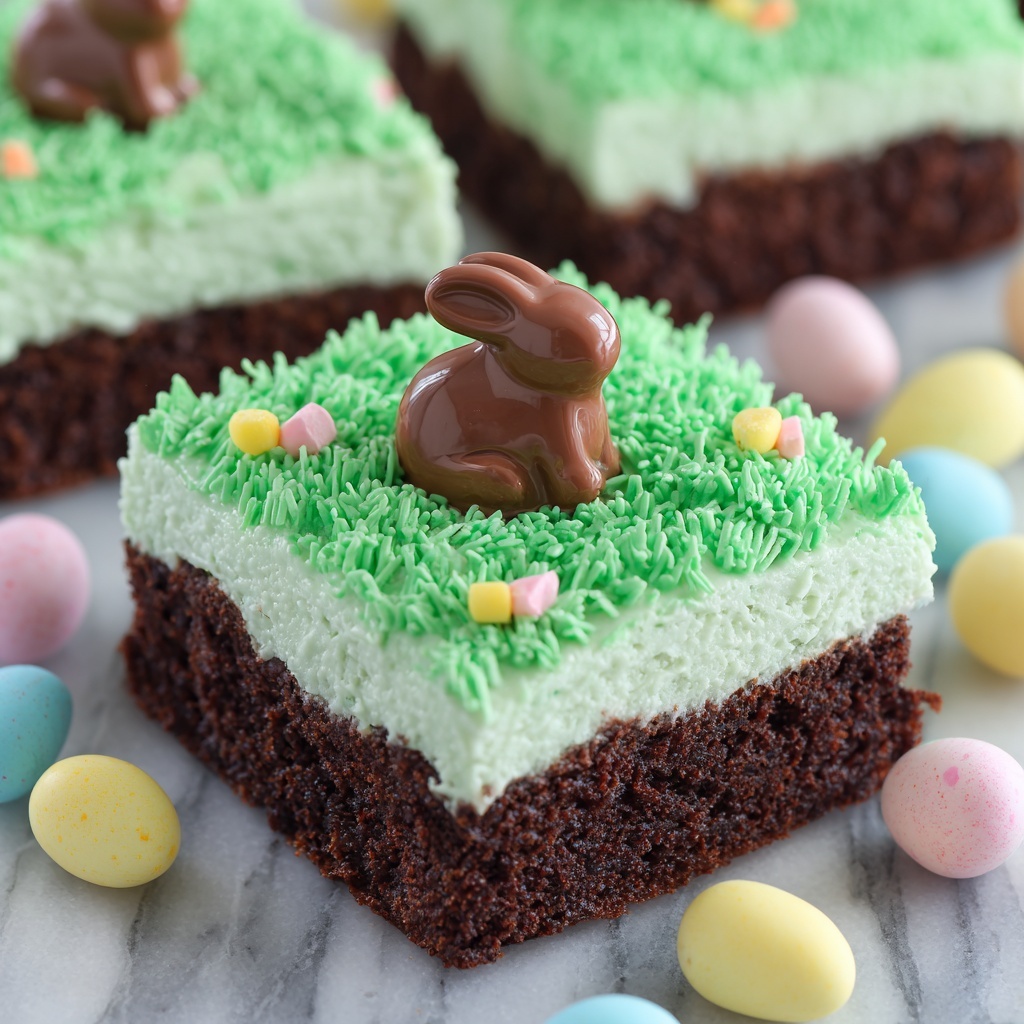
Garnishes
A beautifully frosted cake calls for thoughtful garnishes that complement the buttercream’s creamy sweetness. Consider fresh berries, edible flowers, or a sprinkle of colorful sprinkles for a festive touch. Nut bits or a light dusting of cocoa powder can add texture and a surprising flavor contrast that elevates your dessert even further.
Side Dishes
Buttercream frosting is most often the star atop cupcakes, cakes, and cookies, but pairing it alongside fresh fruit or a scoop of vanilla ice cream can create a lovely balance. The rich, sweet frosting pairs surprisingly well with tart berries or tangy citrus slices, refreshing the palate and enhancing every bite.
Creative Ways to Present
There’s no limit when it comes to presenting this Buttercream Frosting Recipe. Try piping elegant rosettes on cupcakes, crafting bold patterns with a spatula on cakes, or spreading it between layers for luscious filling. You can even create colorful ombré effects by mixing different food coloring shades and layering the frosting with a palette knife to wow your guests.
Make Ahead and Storage
Storing Leftovers
If you have leftover buttercream frosting, store it in an airtight container at room temperature if you plan to use it within a day or two. For longer storage, refrigeration is best to keep it fresh. Before using refrigerated frosting, allow it to come to room temperature and re-whip it briefly to restore its creamy texture.
Freezing
Buttercream frosting freezes beautifully, making it convenient to prepare ahead of time. Place it in a tightly sealed container or freezer bag and store for up to three months. When ready to use, thaw overnight in the refrigerator, then whip it again to bring back that light, fluffy consistency that you love.
Reheating
To revive chilled or frozen buttercream frosting, simply let it reach room temperature and then beat it vigorously with a mixer. Adding a splash of milk can help loosen it if it seems too thick. Avoid heating it directly to prevent breaking the emulsion and losing that velvety smooth finish.
FAQs
Can I use salted butter instead of unsalted?
Yes, you can! However, using salted butter will add saltiness to the frosting, so be mindful and taste as you go. Sometimes reducing additional salt in the recipe is necessary to maintain a balanced flavor.
How do I make my buttercream frosting less sweet?
Try slightly reducing the powdered sugar or adding a pinch of salt to help balance the sweetness. Using high-quality vanilla extract can also add depth, making the frosting taste less sugary overall.
What can I substitute for milk?
You can substitute milk with cream, half-and-half, or even non-dairy options like almond or coconut milk. Just be sure to add them slowly to maintain the perfect consistency.
How long will buttercream frosting last on a cake?
When kept at room temperature, buttercream frosting usually remains fresh for about 2 days. Refrigerated cakes with buttercream can last up to a week, but always cover them well to avoid drying out.
Can I add other flavors to this Buttercream Frosting Recipe?
Absolutely! Swap vanilla extract for almond, lemon, or peppermint extract to create different flavor profiles. You can also mix in cocoa powder or fruit purees for unique and delicious variations.
Final Thoughts
Once you’ve tried this Buttercream Frosting Recipe, you’ll wonder how you ever decorated your cakes without it. Its simplicity, combined with that perfectly creamy texture and rich flavor, makes it an absolute staple for anyone who loves baking. Don’t hesitate to experiment with colors and flavors to make every dessert uniquely yours — this frosting is your sweet canvas waiting to bring your creations to life.
Print
Buttercream Frosting Recipe
- Prep Time: 10 minutes
- Cook Time: 0 minutes
- Total Time: 10 minutes
- Yield: 9 servings
- Category: Dessert Frosting
- Method: No-Cook
- Cuisine: American
Description
A classic, creamy Buttercream Frosting perfect for decorating cakes, cupcakes, and cookies. This easy-to-make frosting combines softened butter with powdered sugar, vanilla extract, and milk to create a smooth, fluffy texture that can be tinted in any color for a personalized touch.
Ingredients
Buttercream Frosting Ingredients
- 1/2 cup butter, softened
- 2 cups powdered sugar, plus 2-3 tbsp additional if needed
- 1 tsp vanilla extract
- 1/2 tbsp milk
- Food coloring, in desired color
Instructions
- Cream Butter and Sugar: In a large mixing bowl, cream together the softened butter and 1 cup of powdered sugar until smooth and well combined. This creates the base for your frosting and ensures it has a fluffy texture.
- Add Flavor and Liquid: Add the vanilla extract and milk to the mixture. Slowly add the remaining powdered sugar, mixing on low speed until combined to gradually incorporate sweetness and flavor.
- Adjust Consistency: Continue to add either milk for a thinner consistency or powdered sugar for a thicker consistency until the frosting reaches your desired texture, perfect for spreading or piping.
- Add Color: Add drops of food coloring one at a time, mixing thoroughly after each addition to ensure even coloring and achieve the perfect shade.
Notes
- For stiffer frosting suitable for piping, add more powdered sugar a tablespoon at a time.
- If the frosting becomes too thick, add milk a few drops at a time to thin it out.
- Use high-quality vanilla extract for the best flavor.
- Butter should be softened but not melted for optimal texture.
- Store leftover frosting in an airtight container in the refrigerator for up to one week; bring to room temperature and re-whip before use.