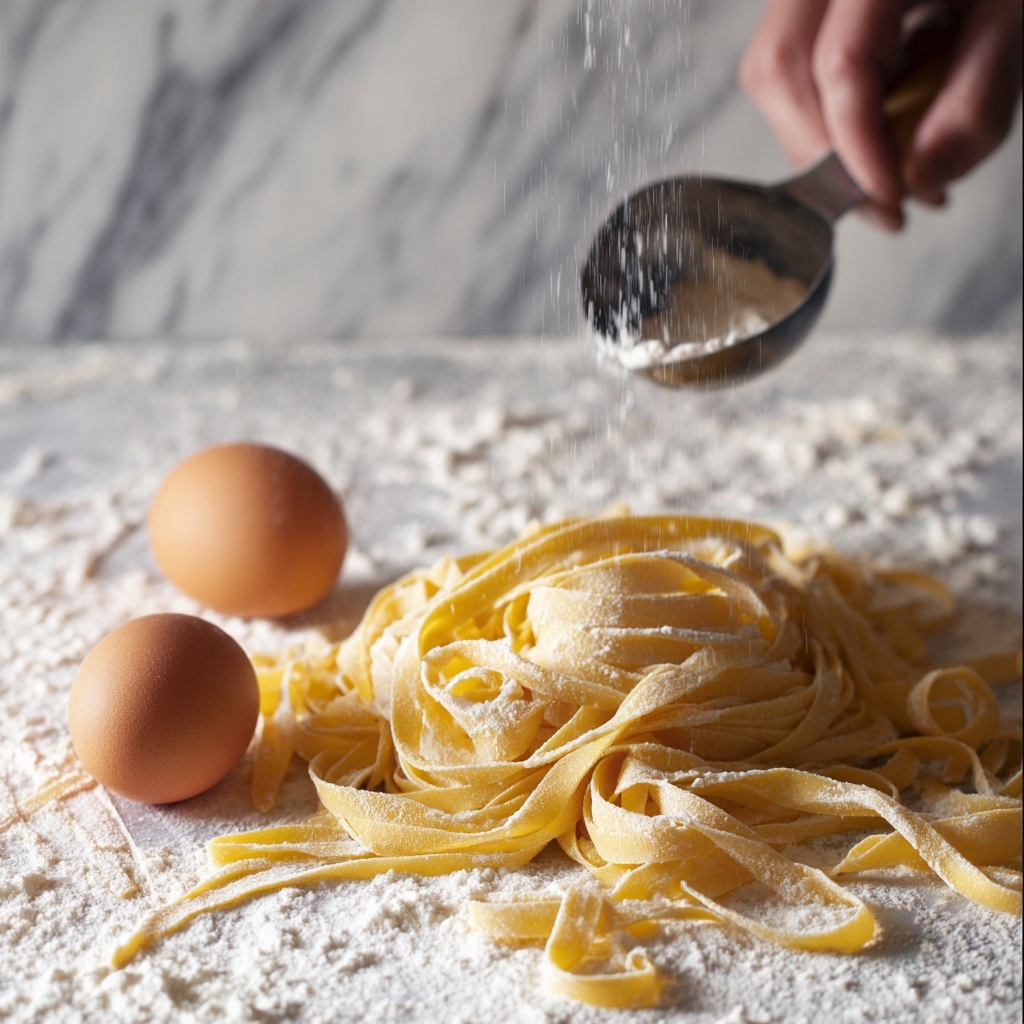
If you have ever dreamt of elevating your weeknight dinners or impressing guests with something truly special, this Homemade Pasta Recipe is a total game changer! Fresh pasta that you make yourself is a delightful experience, bringing a lovely texture and flavor you simply cannot beat with store-bought versions. With just a handful of simple ingredients and an easy technique, you’ll be twisting, rolling, and cooking pasta that tastes like a little piece of Italy right in your own kitchen.
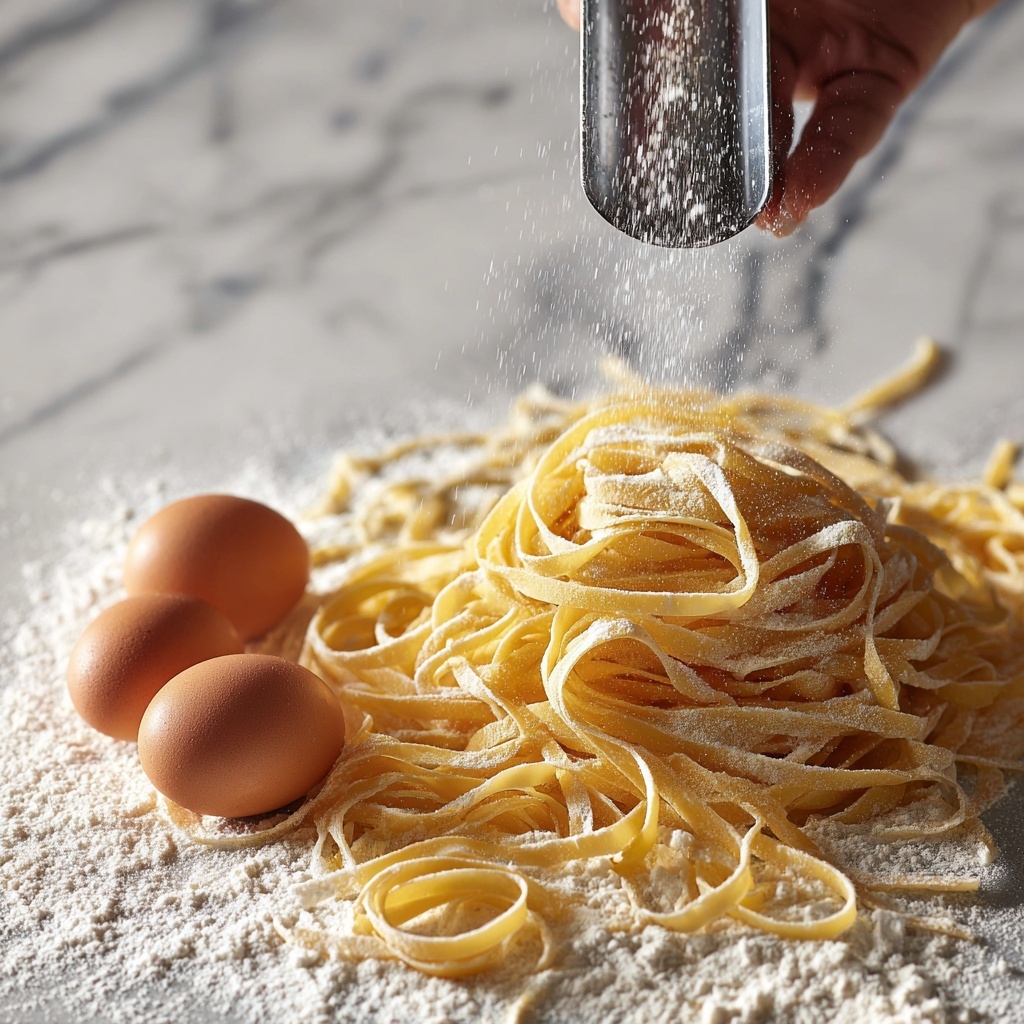
Ingredients You’ll Need
The beauty of this Homemade Pasta Recipe lies in its simplicity. Each ingredient plays a crucial role—providing structure, moisture, and a touch of flavor—all combining to create that perfect silky dough you can shape and cook to your heart’s content.
- 2 cups all-purpose flour: The foundation of your pasta, offering just the right amount of gluten to create a tender yet firm texture.
- 3 large eggs: Eggs add richness and help bind the dough together, giving it that elastic quality essential for rolling and cutting.
- 1/2 tsp salt: Enhances overall flavor and balances the richness of the eggs perfectly.
- 1 tbsp olive oil (optional): Adds smoothness to the dough and a subtle hint of fruity flavor, making it even silkier to work with.
How to Make Homemade Pasta Recipe
Step 1: Make the Dough
Start by creating a mound of flour on a clean surface or in a large bowl—then make a well right in the center. Crack your eggs into the well along with the salt and optional olive oil. Using a fork, gently beat the eggs while gradually pulling in the surrounding flour. This technique helps you form a shaggy dough that’s the base for your delicious pasta.
Step 2: Knead the Dough
Once your dough starts to come together, gather it and knead away on a lightly floured surface for about 8 to 10 minutes. The goal here is to develop a smooth, elastic dough that springs back when pressed. This step is so rewarding because it transforms simple ingredients into something wonderfully stretchy and silky. After kneading, wrap the dough in plastic or cover it with a damp cloth, allowing it to rest for 30 minutes at room temperature. Trust me, this rest period makes all the difference for workable pasta.
Step 3: Roll the Dough
Divide your rested dough into four manageable portions. Whether you roll out each piece by hand or use a pasta machine, aim for your preferred thickness. Thinner pasta cooks quickly and feels delicate, while thicker noodles have a hearty bite. Once rolled, slice your dough into classic shapes like fettuccine, tagliatelle, or keep it whole for lasagna sheets. This is where creativity starts to shine—you can even shape it into ravioli or farfalle, depending on your mood!
Step 4: Cook the Pasta
Bring a large pot of salted water to a rolling boil. Fresh pasta cooks in a flash—usually 2 to 4 minutes—so watch it closely until it reaches an al dente texture that still offers a gentle bite. Drain the pasta carefully and plate it immediately with your favorite sauce or topping. The fresh pasta’s tender texture and delicate flavor are truly something to savor.
How to Serve Homemade Pasta Recipe
Garnishes
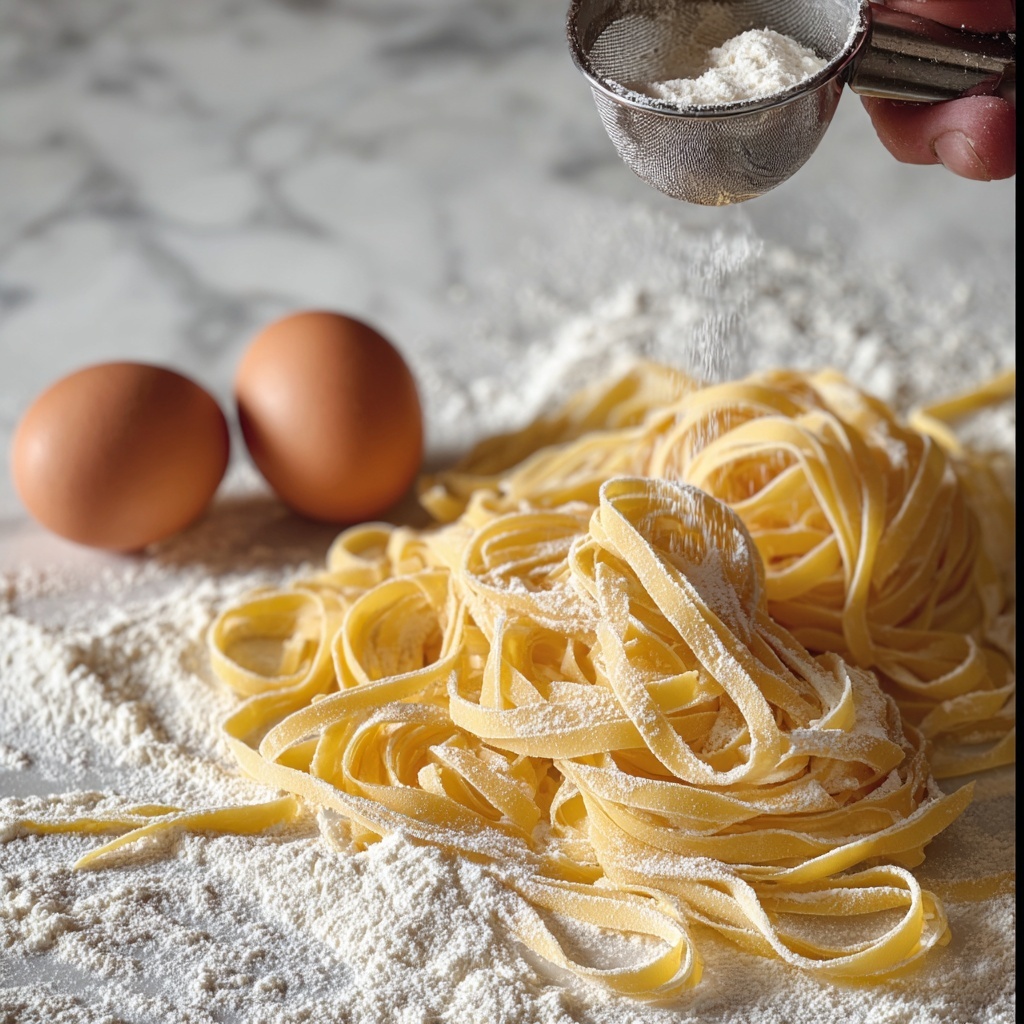
Fresh pasta is like a blank canvas, ready to be topped with simple yet vibrant garnishes. Try freshly grated Parmesan, a sprinkle of freshly chopped basil or parsley, or a drizzle of high-quality extra virgin olive oil to enhance the flavors without overpowering the dough’s nuances.
Side Dishes
A well-rounded meal calls for sides that complement, not compete. Think crisp garden salads with bright vinaigrettes, roasted vegetables, or crusty garlic bread that soaks up every last drop of your sauce. These simple accompaniments balance the richness of the pasta and keep the meal feeling fresh and satisfying.
Creative Ways to Present
Want to wow your dinner guests? Serve your fresh pasta nest-style on plates for an elegant touch or roll colorful vegetable ribbons alongside to add natural beauty. You can also drizzle sauces artistically or scatter edible flowers for a stunning presentation that tastes just as good as it looks.
Make Ahead and Storage
Storing Leftovers
If you happen to have leftover fresh pasta, loosely toss it with a little olive oil to prevent sticking, then store in an airtight container in the refrigerator. It’s best enjoyed within one to two days for peak freshness and texture.
Freezing
Homemade pasta freezes beautifully and can save you time on busy days. Simply portion into nests or lay flat on a baking sheet to freeze individually, then transfer to a freezer-safe bag. When ready to cook, add straight to boiling water—no thawing required!
Reheating
The best way to reheat cooked fresh pasta is gently warming it in a skillet with a splash of water or sauce. Avoid overheating to preserve that perfect tender chew and avoid drying out your creation.
FAQs
Can I use different types of flour for this Homemade Pasta Recipe?
Absolutely! While all-purpose flour works wonderfully, you can experiment with 00 flour for an even silkier texture or whole wheat for a heartier bite. Just note that different flours may require slight adjustments in the liquid amount.
Is olive oil necessary in the dough?
The olive oil is optional but highly recommended. It adds shine and softness to the dough, making it easier to roll out and shape, though you can skip it if you prefer a more traditional pasta dough.
How thin should I roll the pasta dough?
This depends on the type of pasta you want. For fettuccine or tagliatelle, aim for about 1 to 2 millimeters thickness. For lasagna sheets, slightly thicker is fine. Remember that fresh pasta cooks quickly, so thinner dough is easier to overcook.
Can I make this dough ahead of time?
Yes, you can prepare the dough in advance and refrigerate it for up to 24 hours. Just be sure to wrap it tightly in plastic wrap to prevent drying out. Let it come to room temperature before rolling out for best results.
What sauces pair best with homemade pasta?
Fresh pasta pairs beautifully with a variety of sauces—from light olive oil and garlic to rich tomato basil or creamy Alfredo. The tender texture lets the sauce shine, so pick your favorite and enjoy!
Final Thoughts
There is something truly magical about making your own pasta from scratch, and this Homemade Pasta Recipe is a perfect way to bring that joy into your kitchen. Whether you are a seasoned cook or a passionate beginner, the process is rewarding, and the flavors are unbeatable. Give it a try, and soon you’ll find that fresh pasta is not only delicious but also a wonderful way to connect with tradition and creativity on your dinner plate.
Print
Homemade Pasta Recipe
- Prep Time: 10 minutes
- Cook Time: 4 minutes
- Total Time: 54 minutes
- Yield: 4 servings
- Category: Main Course
- Method: Stovetop
- Cuisine: Italian
Description
This homemade pasta recipe guides you through creating fresh, tender pasta from scratch using simple ingredients like flour, eggs, salt, and olive oil. Perfect for a delicious Italian meal, the dough is kneaded to a smooth elasticity, rolled out to your preferred thickness, and cooked to al dente perfection. Serve it with your favorite sauce for a delightful dining experience.
Ingredients
For the Pasta Dough
- 2 cups all-purpose flour (plus extra for dusting)
- 3 large eggs
- 1/2 tsp salt
- 1 tbsp olive oil (optional)
Instructions
- Make the Dough: On a clean surface or in a large bowl, mound the flour and create a well in the center. Crack the eggs into the well and add salt and olive oil if using. Beat the eggs with a fork, gradually incorporating the surrounding flour until a shaggy dough forms.
- Knead the Dough: Gather the dough and knead on a lightly floured surface for 8–10 minutes until it becomes smooth and elastic. Then wrap the dough in plastic wrap or cover it with a damp cloth and let it rest for 30 minutes at room temperature to relax the gluten.
- Roll the Dough: Divide the rested dough into four portions. Roll out each portion on a floured surface or use a pasta machine to your desired thickness. Then cut the dough into your desired shapes like fettuccine, tagliatelle, or lasagna sheets.
- Cook the Pasta: Bring a large pot of salted water to a boil. Add the fresh pasta and cook for 2 to 4 minutes until al dente. Drain the pasta and serve immediately with your favorite sauce.
Notes
- Resting the dough is essential to achieve a tender pasta texture.
- Use plenty of flour when rolling to prevent sticking, but shake off excess flour before cooking.
- Fresh pasta cooks much faster than dried pasta; keep an eye on it.
- For a richer dough, feel free to add a little olive oil as per the recipe.
- If you don’t have a pasta machine, a rolling pin works well but requires more effort.