
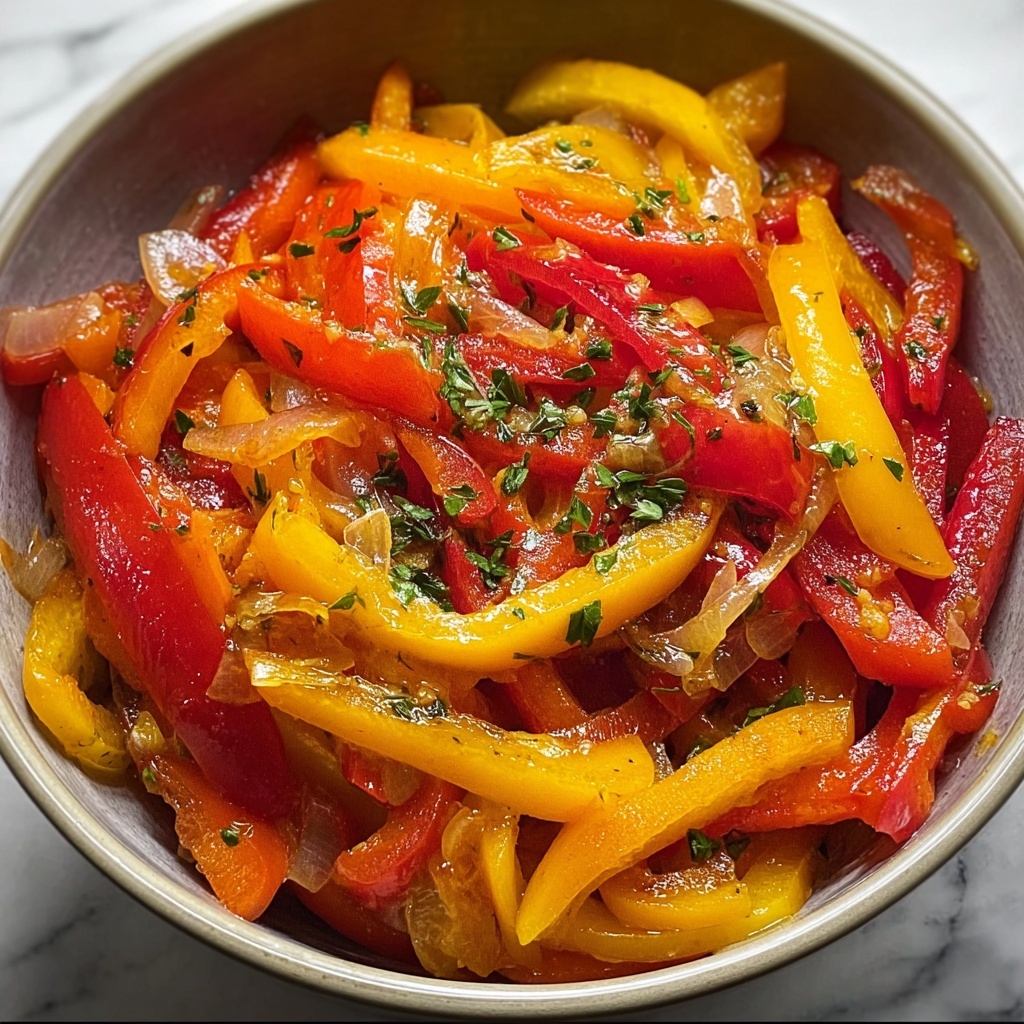
If you’re craving a dish that bursts with vibrant colors and warm, comforting flavors, then this Traditional Italian Peperonata Stew Recipe is going to become your new favorite. This classic stew is a delightful medley of bell peppers, tomatoes, onions, and garlic simmered slowly to meld together into a rich, sweet, and slightly tangy masterpiece. Every spoonful captures the essence of Italian home cooking, making it perfect for cozy dinners or impressing guests with minimal effort but maximum flavor.
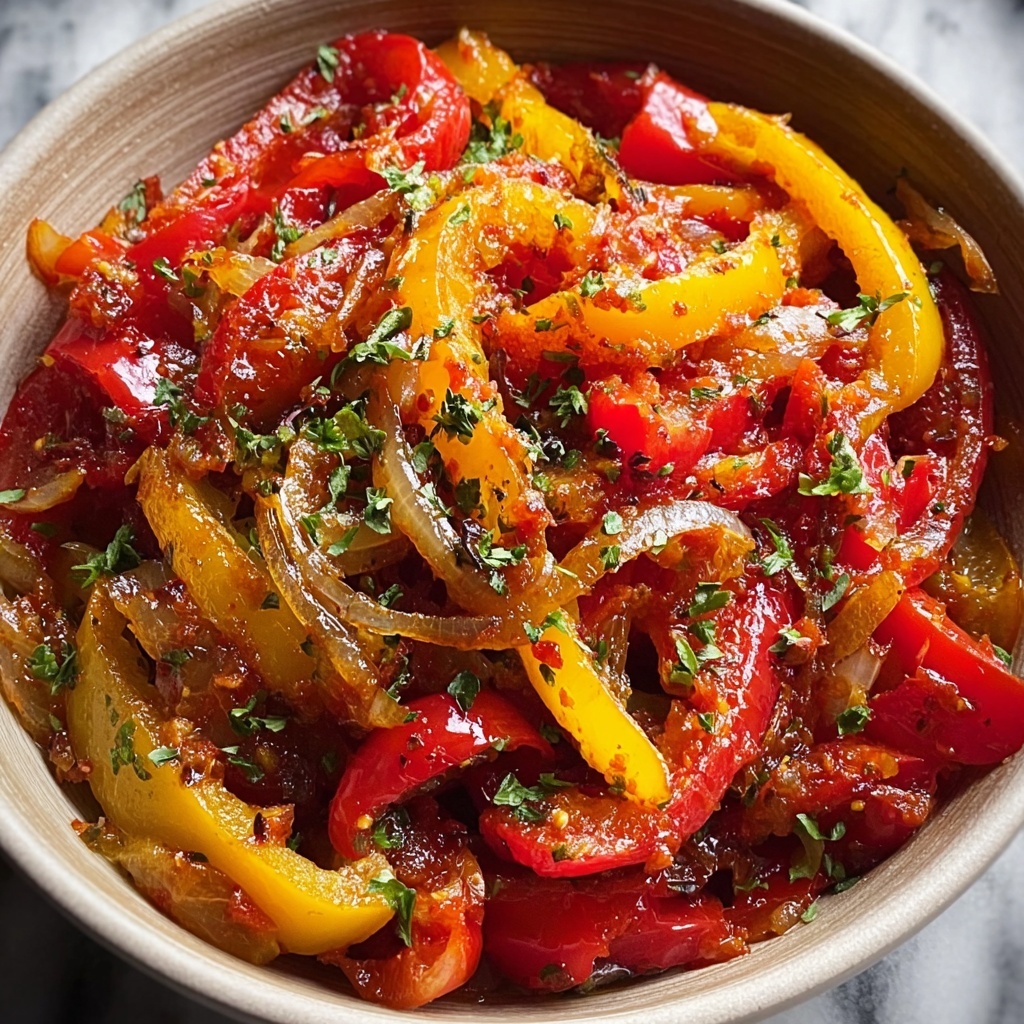
Ingredients You’ll Need
The ingredients for this Traditional Italian Peperonata Stew Recipe are simple, fresh, and essential to achieving the perfect balance of taste, texture, and vibrant color. Each element plays a critical role in building the stew’s natural sweetness and rustic charm.
- 3 large bell peppers (red, yellow, or orange): Using a mix of colors adds visual appeal and a sweet, layered flavor.
- 2 medium onions: Thinly sliced, they provide a soft, mellow base that enhances the stew’s richness.
- 2–3 garlic cloves: Chopped or crushed to infuse an aromatic depth without overpowering.
- 2 large tomatoes or 240 g canned chopped tomatoes: Essential for the stew’s juicy, tangy character.
- 4 tablespoons olive oil: The key to that silky texture and an authentic Italian taste.
- Salt, to taste: Balances the natural sweetness and intensifies the flavors.
- Black pepper, to taste: Adds a subtle hint of spice that wakes up the palate.
- 1 tablespoon red wine vinegar (optional): Provides a bright, acidic finish that elevates the whole dish.
- Fresh basil or parsley, chopped (optional): A fragrant herbaceous touch that brings freshness.
How to Make Traditional Italian Peperonata Stew Recipe
Step 1: Prepare Your Vegetables
Start by washing your bell peppers and slicing them thinly into strips. This ensures they cook evenly and blend perfectly with the other ingredients. Peel and thinly slice the onions; their sweetness will mellow as they cook. Chop or crush the garlic cloves to unlock their full flavor, and if using fresh tomatoes, finely chop them to create a lovely base for the stew.
Step 2: Sauté the Onions
Warm up the olive oil in a large skillet over medium heat, then add the onions. Let them sauté slowly for about 5 to 7 minutes, stirring frequently until they turn soft and translucent. This gentle cooking process draws out their natural sugars and adds a creamy texture that supports the flavors to come.
Step 3: Add Garlic
Stir the chopped or crushed garlic into the softened onions and cook for an additional minute. This brief moment releases the garlic’s fragrant oils without letting it burn, infusing the dish with a tantalizing aroma that promises deliciousness ahead.
Step 4: Cook the Peppers
Toss in the sliced bell peppers and stir them around so they’re coated well with the olive oil and melded with the onions and garlic. Allow them to cook for about 10 minutes, stirring occasionally. This step softens the peppers slightly while keeping their vibrant color and delicate crunch.
Step 5: Incorporate Tomatoes and Seasoning
Next, add your finely chopped fresh tomatoes or the canned ones straight from the tin. Season with salt and freshly ground black pepper to taste. Stir everything together so the tomatoes break down and mingle with the peppers and onions, enriching the stew with brightness and natural sweetness.
Step 6: Simmer Gently
Cover the skillet with a lid, reduce the heat to low, and let the stew simmer gently for 25 to 30 minutes. Stir occasionally to prevent sticking and ensure even cooking. This slow simmer allows the flavors to deepen, the vegetables to soften fully, and the ingredients to marry beautifully into a luscious, hearty stew.
Step 7: Final Touches
Remove the lid and taste your peperonata. If you like, add a splash of red wine vinegar at this point for a subtle tang that brightens the whole dish. Finally, sprinkle freshly chopped basil or parsley on top to add a fresh herbaceous note that complements the stew’s robust flavors.
How to Serve Traditional Italian Peperonata Stew Recipe
Garnishes
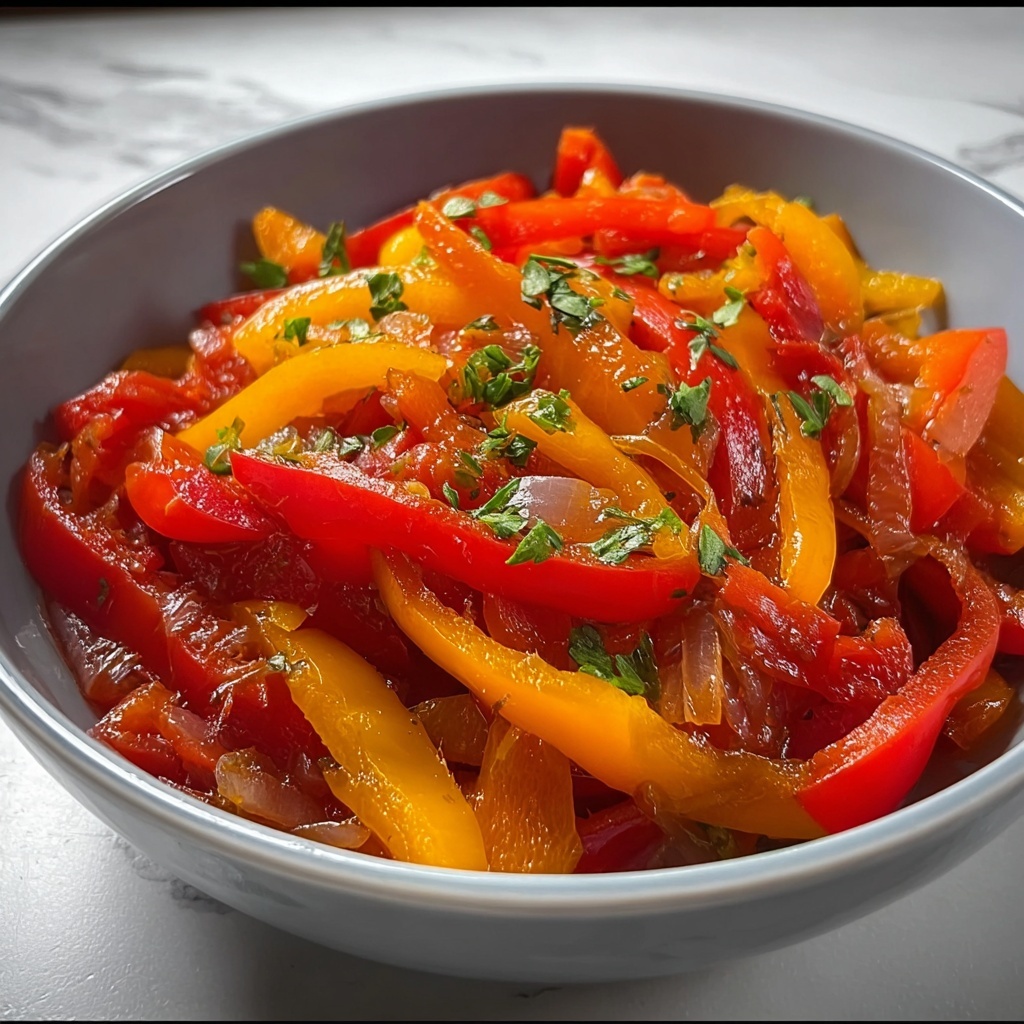
Fresh chopped herbs like basil or parsley are not just pretty on the plate, they bring a burst of freshness and color contrast that makes every bite exciting. You could also add a light drizzle of extra virgin olive oil or a few shavings of Parmesan cheese for a richer finish.
Side Dishes
Traditional Italian Peperonata Stew Recipe pairs wonderfully with crusty bread that’s perfect for soaking up the delicious juices. It also complements simple grilled meats or serves as a flavorful condiment over creamy polenta or soft sheep’s milk cheese, creating a satisfying meal that’s both rustic and refined.
Creative Ways to Present
Try serving this stew layered over toasted baguette slices as a vibrant appetizer or folded into a warm, flaky omelet for a colorful brunch option. You can also chill it lightly and serve it as a refreshing topping for crostini at your next dinner party. Its versatility invites you to get creative in the kitchen.
Make Ahead and Storage
Storing Leftovers
Once cooled, transfer the Traditional Italian Peperonata Stew Recipe into an airtight container and keep it refrigerated. It will stay fresh for up to 3 to 4 days, making it a perfect make-ahead dish to enjoy throughout the week.
Freezing
This stew freezes wonderfully, too. Portion it into freezer-safe containers or bags, and store for up to 3 months. When you’re ready to enjoy it again, thaw it overnight in the refrigerator to preserve its vibrant flavors and textures.
Reheating
Reheat the peperonata gently on the stovetop over low heat, stirring occasionally until warmed through. Avoid high heat to prevent the vegetables from becoming mushy. A splash of water or olive oil can be added if the stew looks too thick after refrigeration.
FAQs
Can I use other types of peppers in this stew?
Absolutely! While red, yellow, and orange bell peppers are traditional, you can experiment with green bell peppers or even sweet mini peppers for a slightly different flavor and texture.
Is this stew served hot or cold?
Peperonata is delicious both hot or at room temperature, and some even enjoy it chilled as a refreshing summer dish. It’s versatile in serving temperature based on your preference.
Can I add other vegetables to the stew?
Yes, you could add eggplant or zucchini to enrich the stew, but keep in mind that it will slightly change the traditional flavor profile. Adding these vegetables extends the dish and adds more complexity.
Does this recipe fit a vegetarian or vegan diet?
Definitely! This Traditional Italian Peperonata Stew Recipe is naturally vegan and vegetarian, as it relies solely on fresh vegetables and olive oil.
What wine pairs well with this peperonata stew?
A light-bodied red wine like Chianti or a crisp white such as Pinot Grigio complements the sweet and tangy flavors nicely without overpowering the dish.
Final Thoughts
This Traditional Italian Peperonata Stew Recipe is one of those wonderfully simple dishes that fills your kitchen with warmth and your table with joy. It’s easy to make, endlessly adaptable, and rooted in honest, wholesome ingredients. Once you try it, you’ll understand why it holds a cherished spot in Italian home cooking. Give it a go and enjoy a taste of Italy in your own kitchen!
Print
Traditional Italian Peperonata Stew Recipe
- Prep Time: 15 minutes
- Cook Time: 40 minutes
- Total Time: 55 minutes
- Yield: 4 servings
- Category: Side Dish
- Method: Stovetop
- Cuisine: Italian
- Diet: Vegan
Description
Traditional Italian Peperonata Stew is a colorful and flavorful vegetable dish featuring sweet bell peppers, onions, and tomatoes slowly simmered in olive oil. This classic Mediterranean recipe is perfect as a side dish or a light main course, offering a rich blend of tender veggies and aromatic herbs with optional red wine vinegar for a tangy finish.
Ingredients
Vegetables
- 3 large bell peppers (red, yellow, or orange), sliced into thin strips
- 2 medium onions, peeled and thinly sliced
- 2–3 garlic cloves, chopped or crushed
- 2 large tomatoes, finely chopped, or 240 g canned chopped tomatoes
Other Ingredients
- 4 tablespoons olive oil
- Salt, to taste
- Black pepper, to taste
- 1 tablespoon red wine vinegar (optional)
- Fresh basil or parsley, chopped (optional)
Instructions
- Prepare the Vegetables: Wash and thinly slice the bell peppers into strips, peel and slice the onions, chop or crush the garlic cloves, and if using fresh tomatoes, chop them finely.
- Sauté Onions: Heat olive oil in a large skillet over medium heat. Add the sliced onions and cook for 5 to 7 minutes, stirring occasionally, until they become soft and translucent.
- Add Garlic: Stir in the chopped or crushed garlic and cook for an additional minute, allowing the garlic’s aroma to infuse the oil.
- Cook Peppers: Add the sliced bell peppers to the pan, stirring to coat them well in the olive oil. Cook for about 10 minutes, stirring occasionally to ensure even cooking, allowing the peppers to soften.
- Add Tomatoes and Seasoning: Incorporate the chopped tomatoes (or canned tomatoes) along with salt and freshly ground black pepper. Stir everything well to combine the flavors.
- Simmer: Cover the skillet with a lid and reduce the heat to low. Let the mixture simmer gently for 25 to 30 minutes, stirring occasionally, until the vegetables are tender and the flavors have melded together.
- Finish and Serve: Uncover the skillet, taste the stew, and adjust seasoning if necessary. For an optional bright tang, add a splash of red wine vinegar. Garnish with freshly chopped basil or parsley before serving.
Notes
- Use a mix of colorful bell peppers to enhance the visual appeal and taste variety.
- Red wine vinegar adds a pleasant tang but can be omitted or substituted with lemon juice for a different twist.
- This dish can be served warm or at room temperature, making it versatile for different occasions.
- Peperonata pairs well with grilled meats, crusty bread, or as a topping for toasted bruschetta.
- For a vegan and vegetarian-friendly dish, ensure no animal-based ingredients are added.