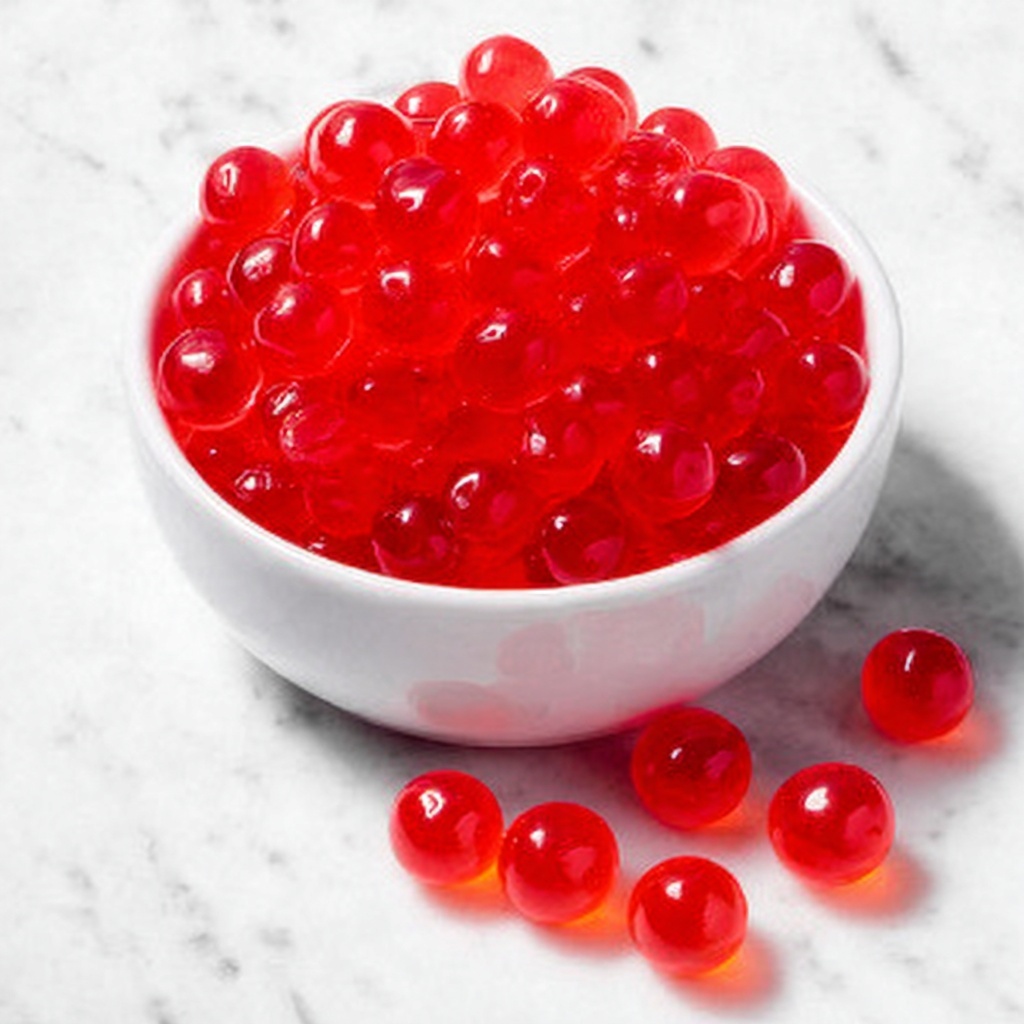
If you love playful textures and fresh flavors, the Watermelon Popping Boba Recipe is an absolute must-try that brings the juicy, vibrant sweetness of watermelon into an unexpectedly fun form. Imagine those little juicy spheres bursting with pure watermelon juice as you bite into them — they make every sip or bite feel like a mini celebration in your mouth. Whether topping your summer drinks, frozen treats, or fruit bowls, this recipe is a fantastic way to elevate simple ingredients into a delightful sensory experience that’s both refreshing and memorable.
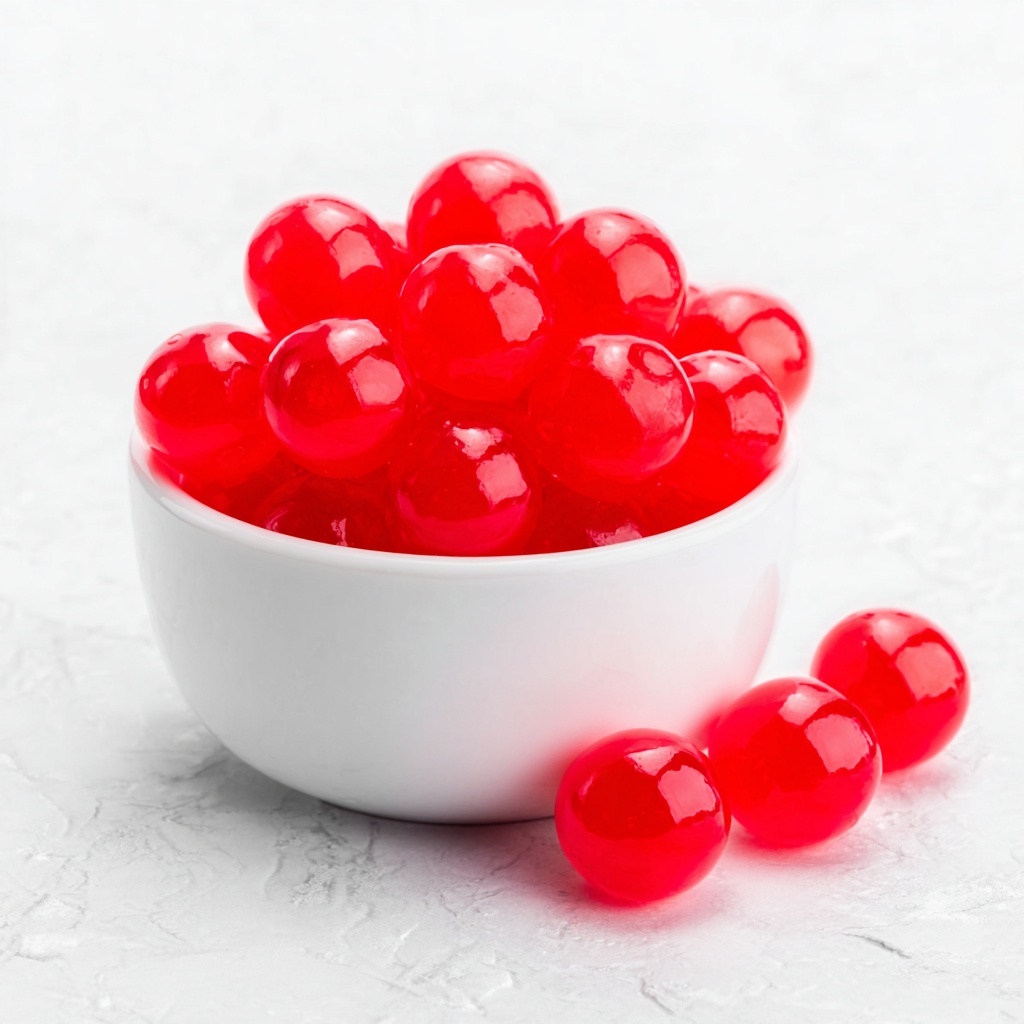
Ingredients You’ll Need
Gathering your ingredients is the first step, and you’ll be surprised how simple yet crucial each component is to achieving the perfect watermelon popping boba. Each ingredient plays a unique role, balancing flavor, texture, and the magical spherification process that gives these boba their signature pop.
- 2 cups watermelon juice (strained): The star ingredient, fresh and vibrant, forms the juicy core of your popping boba.
- 2 tablespoons sugar (optional): Adds sweetness tailored to your taste, enhancing the natural watermelon flavor without overpowering it.
- ½ teaspoon sodium alginate: This natural gelling agent allows the juice to form into spheres when combined with calcium.
- 1 cup cold water (for sodium alginate mixture): Ensures the sodium alginate dissolves properly and helps create smooth spheres.
- 1 cup water + 1 teaspoon calcium lactate (setting bath): The calcium bath is essential to set the watermelon-alginate droplets into popping boba pearls quickly.
- Optional: mint leaves or lemon juice: These can add a refreshing twist or a little zing that brightens up the popping boba experience.
How to Make Watermelon Popping Boba Recipe
Step 1: Prepare the Watermelon Juice
Start by blending fresh watermelon juice with sugar if you desire extra sweetness. The goal here is to get a smooth, tasty juice base that will burst with flavor inside those tiny spheres. After blending, strain the juice carefully to remove any pulp, giving you a silky texture perfect for spherification.
Step 2: Dissolve Sodium Alginate
In a separate bowl, combine sodium alginate with a cup of cold water. Use a blender or immersion blender to fully dissolve it, which is essential for a smooth mixture without clumps. Let this solution rest for 15 to 30 minutes to allow air bubbles to escape — this helps create perfectly round boba later on.
Step 3: Mix Watermelon Juice with Alginate Solution
Once your sodium alginate mixture is ready, gently stir in the prepared watermelon juice until the mixture is uniform. Take care not to introduce new air bubbles, and keep the texture thin for the best boba formation.
Step 4: Prepare the Calcium Lactate Setting Bath
Whisk together water and calcium lactate in another bowl until the calcium lactate fully dissolves. This bath is where the magic happens — when the watermelon-alginate droplets hit the calcium solution, they instantly create those beloved popping spheres.
Step 5: Form the Watermelon Popping Boba
Using a dropper or squeeze bottle, carefully drip the watermelon-alginate mixture into the calcium bath. Watch as each drop transforms into a delicate, jelly-like sphere within about 30 to 60 seconds. Once set, scoop the boba out with a slotted spoon and rinse gently in clean water to stop the setting process and remove any residual calcium taste.
Step 6: Ready to Serve or Store
Your popping boba are now ready to enjoy immediately! Their juicy texture makes them perfect for topping summer drinks or desserts. If you’re not using them right away, store them carefully in plain water in the fridge for up to 24 hours for optimal freshness.
How to Serve Watermelon Popping Boba Recipe
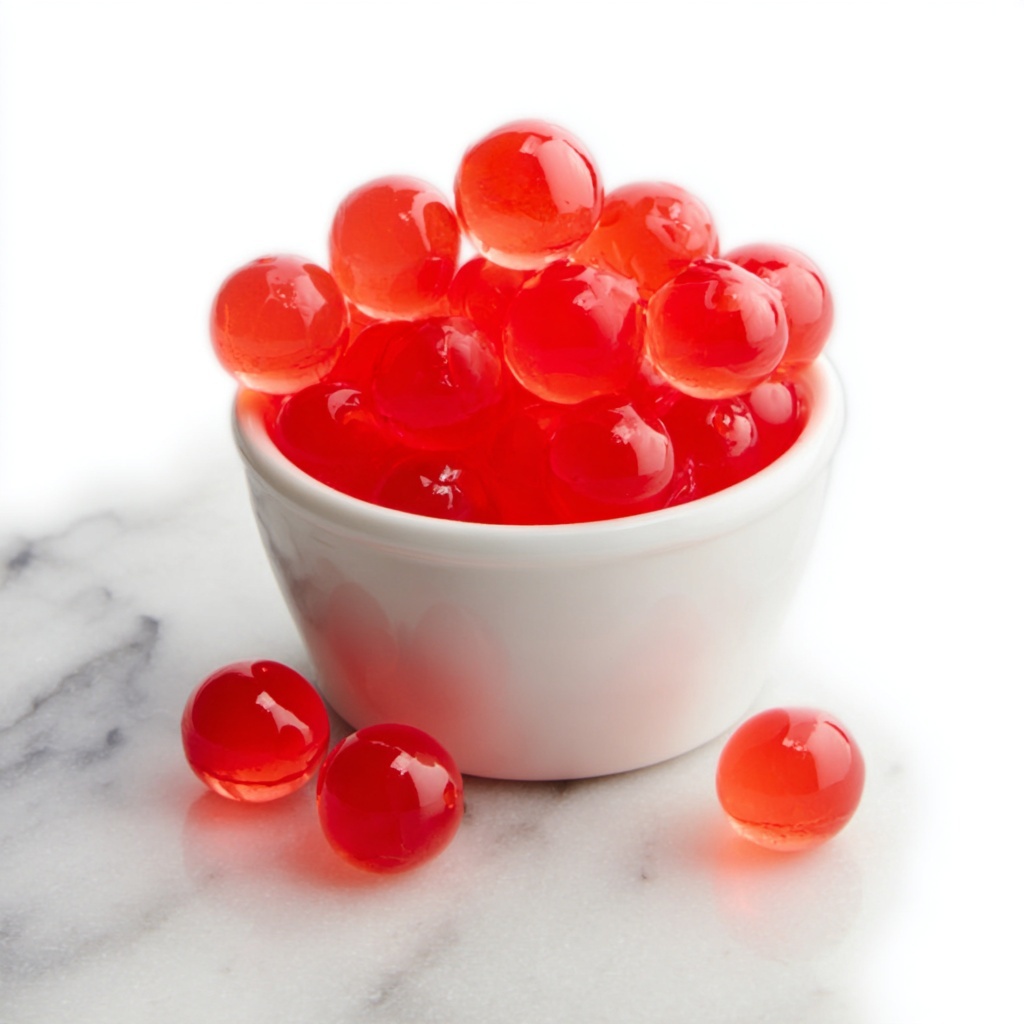
Garnishes
To amp up the visual appeal and add subtle complementary flavors, consider garnishing your watermelon popping boba with fresh mint leaves or a sprinkle of lemon zest. These additions brighten the palate, balancing the sweetness of the boba and making your presentation look even more inviting.
Side Dishes
Watermelon popping boba pairs beautifully with light, refreshing desserts such as sorbets, fruit salads, or yogurt parfaits. Their juicy pop acts as a perfect contrast to creamy or textured sides, making each bite exciting and delightful.
Creative Ways to Present
Get inventive by using your watermelon popping boba as a fun bubble tea topping, or scatter them over shaved ice for a colorful summer treat. You can even drop them into sparkling water or cocktails for a surprising burst of fresh watermelon flavor in every sip. The possibilities are as limitless as your imagination!
Make Ahead and Storage
Storing Leftovers
If you have leftover popping boba, keep them submerged in plain, clean water and store them in the refrigerator. This prevents them from drying out and maintains their delightful burst for up to 24 hours. Beyond that, they begin to lose their perfect texture.
Freezing
Freezing popping boba is not recommended because the formation’s delicate gel membrane will break down and lose its signature popping texture upon thawing. For the best experience, it’s worth making just the amount you need.
Reheating
These boba are best served cold or at room temperature. Avoid reheating, which can cause the spheres to dissolve or lose their popping quality, diminishing the enjoyment of the recipe.
FAQs
Can I use watermelon juice from concentrate for this recipe?
Freshly strained watermelon juice is ideal because it provides the best natural flavor and texture. Concentrate might work, but it often has added sugars and a different consistency, which can affect the popping boba’s formation and taste.
What if I don’t have a dropper or squeeze bottle? How else can I make the boba?
A small spoon or teaspoon can work, but it requires a steady hand to drop small amounts gently into the calcium bath. The dropper or squeeze bottle just makes it easier to create uniform spheres quickly.
Is sodium alginate safe to consume? Where can I buy it?
Sodium alginate is a natural food additive commonly used in molecular gastronomy and is safe to eat in small amounts. You can find it in specialty cooking stores, online retailer sites, or places that sell molecular gastronomy kits.
Can I substitute calcium lactate with another calcium source?
Calcium lactate works best because it dissolves easily in water and reacts well with sodium alginate to form popping boba. Other calcium sources like calcium chloride might work, but they can alter the taste and texture, sometimes leaving a bitter flavor.
How can I make my popping boba more flavorful?
Try boosting your watermelon juice with a splash of lemon juice or a few mint leaves blended in before straining. These subtle flavor notes harmonize beautifully with the fresh watermelon taste and add complexity to your popping boba.
Final Thoughts
I can’t recommend this Watermelon Popping Boba Recipe enough for anyone looking to add a playful twist to their summer refreshments or desserts. It’s surprisingly simple to make and brings that incredible sensation of juicy pops that is sure to wow friends and family. So, roll up your sleeves, grab those fresh ingredients, and have fun creating your own burst of watermelon magic!
Print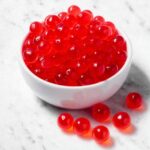
Watermelon Popping Boba Recipe
- Prep Time: 30 minutes
- Cook Time: 0 minutes
- Total Time: 30 minutes
- Yield: About 1 cup popping boba
- Category: Snack, Topping
- Method: Spherification
- Cuisine: Fusion
- Diet: Vegan, Gluten Free
Description
This refreshing Watermelon Popping Boba recipe showcases a fun and creative method called spherification, where watermelon juice is transformed into delicate, flavorful boba spheres that burst with juice when bitten. Perfect as a topping for summer drinks, fruit salads, or frozen desserts, these watermelon boba add a playful and fruity twist to your favorite treats while maintaining a vegan and gluten-free profile.
Ingredients
Watermelon Boba Mixture
- 2 cups watermelon juice (strained, from fresh watermelon)
- 2 tablespoons sugar (optional, adjust to taste)
- ½ teaspoon sodium alginate
- 1 cup cold water (for sodium alginate mixture)
Setting Bath
- 1 cup water
- 1 teaspoon calcium lactate
Optional Additions
- Mint leaves or lemon juice for flavor boost
Instructions
- Prepare Watermelon Juice: In a blender, combine the strained watermelon juice and sugar if using. Blend well and taste to adjust the sweetness to your preference.
- Dissolve Sodium Alginate: In a separate small bowl, sprinkle the sodium alginate into 1 cup of cold water. Use a blender or immersion blender to fully dissolve it until the mixture is smooth. Let this rest for 15–30 minutes to eliminate air bubbles.
- Mix Alginate with Watermelon Juice: After the sodium alginate mixture has rested, stir in the prepared watermelon juice carefully until a uniform, smooth mixture is achieved.
- Prepare Calcium Lactate Bath: In another bowl, mix 1 cup of water with 1 teaspoon of calcium lactate until completely dissolved, creating the setting bath.
- Form Watermelon Boba: Using a dropper or squeeze bottle, gently drip the watermelon-alginate mixture drop by drop into the calcium bath. The droplets will instantly form into boba-like spheres and set within 30–60 seconds.
- Rinse and Remove Boba: Once set, use a slotted spoon to carefully remove the popping boba from the calcium bath. Rinse them gently in clean water to stop the setting process and remove excess calcium.
- Serve: Use the popping boba immediately as a fun topping in drinks, fruit salads, or frozen desserts. You can also serve them chilled for an extra refreshing touch.
Notes
- For best results, ensure the watermelon mixture is thin and strain-free to allow smooth droplet formation.
- The popping boba can be refrigerated in plain water for up to 24 hours but avoid freezing as it will compromise the texture.
- Adjust sugar amount based on the sweetness of your watermelon and your personal taste preference.
- Optional additions like mint leaves or lemon juice can enhance the flavor profile.